Introduction: A World Shaped by Play
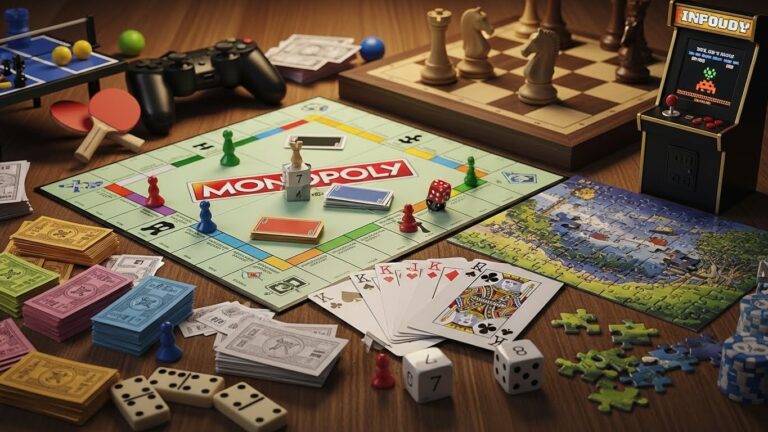
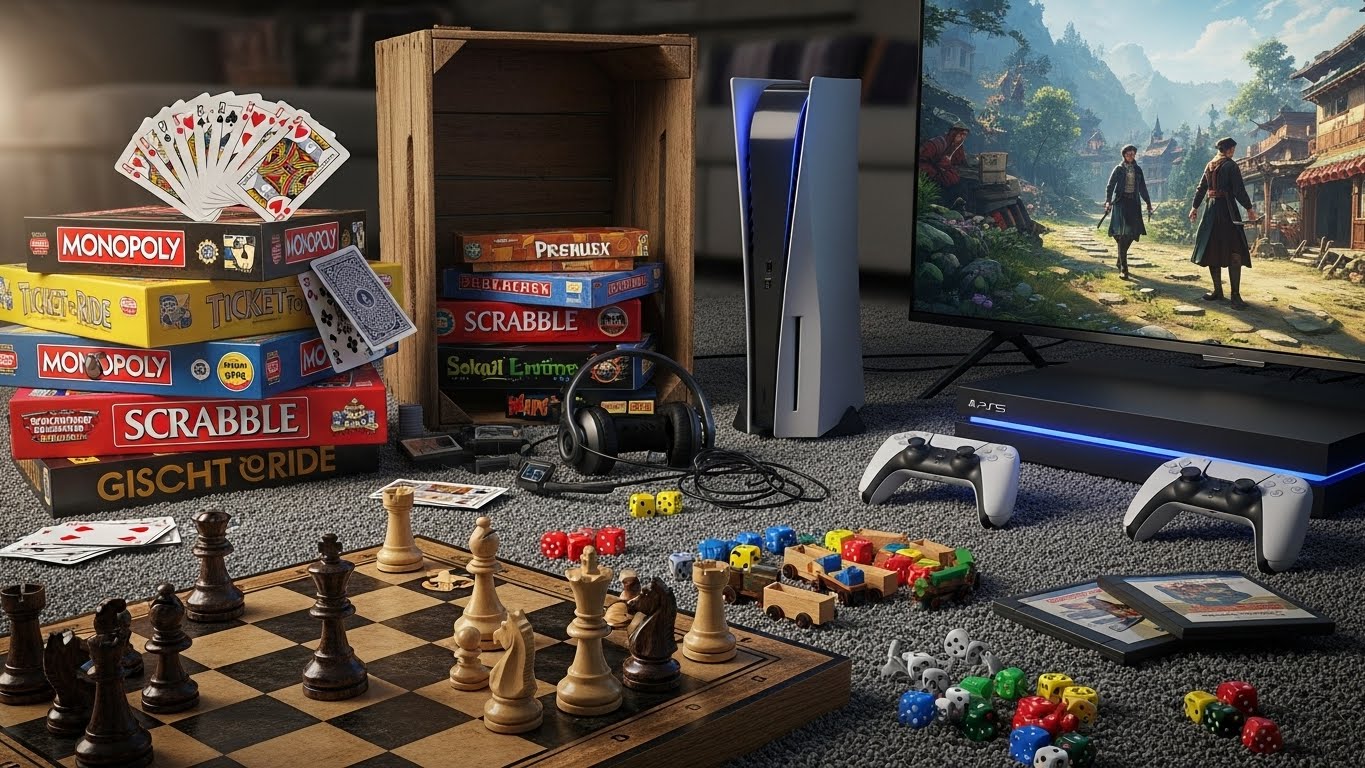
Games have existed for as long as humanity itself. From ancient board games carved into stone to modern digital universes crafted with complex algorithms, games have always held a special place in our lives. They entertain us, challenge us, connect us, and teach us. Yet today, in a world filled with rapid technological advancement and increasing social pressure, games have evolved into more than just pastimes. They are cultural forces, learning tools, social equalizers, emotional escapes, and sometimes even careers. This blog explores why games matter, how they shape our minds and communities, and why their role in modern society is more significant than ever.
The Evolution of Games: From Ancient Stones to Virtual Worlds
Human beings have always been drawn to play. Archaeologists have uncovered evidence of board games dating back thousands of years, suggesting that even our distant ancestors understood the joy of structured competition and creativity. Over time, games have evolved alongside civilization. Simple wooden puzzles gave way to multi-layered tabletop experiences. Outdoor physical challenges transformed into organized sports. And eventually, computer chips and screens introduced digital gaming to the world.
Today’s gaming landscape is vast and varied. It includes mobile games played casually during breaks, massive online worlds where millions interact daily, competitive esports arenas filled with cheering fans, and immersive single-player adventures that feel like cinematic masterpieces. This constant evolution reflects humanity’s unending desire to explore, compete, and create.
The Educational Power of Games
Games teach us more than we often realize. Whether through puzzles, role-playing, or strategic simulation, they activate parts of the brain that are essential for learning. Some of the most important skills enhanced through gaming include:
Problem-Solving
Many games present players with obstacles that must be overcome using logic, creativity, or strategy. These problem-solving exercises help strengthen cognitive flexibility and critical thinking.
Decision-Making
Games often require quick judgment calls. Players must analyze information, consider potential outcomes, and choose a direction. Over time, this sharpens analytical skills and increases confidence in decision-making.
Persistence and Resilience
Failure is a natural part of most games. Whether it’s losing a match or failing a level, players must learn to try again, adapt, and push forward. This builds resilience that carries into real life.
Coordination and Motor Skills
Action-based games improve hand-eye coordination and reaction time, skills valuable not only to athletes but to anyone navigating everyday tasks.
Beyond individual learning, educational institutions are now using game-based methodologies to make classrooms more engaging. Subjects such as science, history, mathematics, and language learning are increasingly taught through game-like experiences to boost motivation and retention.
Games as a Social Bridge
One of the most powerful aspects of games is their ability to bring people together. Humans are social by nature, and games amplify this instinct through shared goals, competition, and interaction.
Building Friendships
Whether sitting around a table with physical board pieces or joining a team online, games offer a natural environment for bonding. Many lifelong friendships have started over a shared interest in play.
Creating Inclusive Communities
Games transcend age, gender, nationality, and background. People who may never meet under ordinary circumstances come together through gaming communities that value skill, creativity, and collaboration.
Improving Communication Skills
Team-based games especially require coordination, leadership, listening, and clear communication. Players learn how to work together, divide responsibilities, and support one another.
Strengthening Families
Families that play together often develop deeper connections. Board games, party games, and cooperative digital adventures provide memorable moments that strengthen family bonds.
In an increasingly digital world where social isolation can be a challenge, games have become modern gathering places where connection thrives.
The Emotional Value of Gaming
At its core, gaming is an emotional experience. It offers a safe space to explore feelings, face challenges, and escape from daily stress.
Stress Relief
Games serve as a powerful stress-reliever. Engaging in gameplay allows the mind to shift focus, providing a refreshing break from responsibilities and pressures.
Creativity and Self-Expression
From designing characters and building worlds to solving puzzles in unique ways, games encourage creativity and personal expression. Some players even use games to tell their own stories.
Achievement and Confidence
Progress systems in games—levels, rewards, badges—create gratifying experiences that boost confidence. These achievements can motivate players to set and reach goals in real life.
Emotional Exploration
Narrative-driven games often explore deep themes such as loss, courage, identity, and hope. They allow players to confront emotions that might be difficult to process otherwise.
Games can be therapeutic too. Some therapists use gaming as a tool to help patients dealing with anxiety, stress, or social challenges.
Games as a Growing Career Path
Not long ago, gaming as a career seemed like a fantasy. Today, it is a global industry worth billions, offering diverse and legitimate career paths.
Game Development
From programmers and artists to sound designers and writers, game creation requires a wide range of skills. Developers shape the experiences enjoyed by millions of players worldwide.
Esports
Competitive gaming has become a professional sport. Players train, strategize, and compete in large tournaments. Esports athletes gain sponsorships, prize money, and global recognition.
Content Creation
Streamers, video creators, and influencers build communities around gaming content. Their work involves entertainment, education, and storytelling for audiences of all sizes.
Game Testing and Quality Assurance
Testers play in-development games to find issues, contributing to smoother and more engaging final products.
Event Management and Marketing
Gaming events, conventions, and tournaments require organizers, marketers, hosts, and staff to bring them to life.
The gaming industry continues to grow, offering opportunities for passionate individuals to turn their love of games into fulfilling careers.
The Psychological Benefits of Play
Play is not just for children. It is a foundation for psychological well-being at every stage of life.
Mental Stimulation
Games exercise the brain. Strategy games, puzzles, and interactive worlds encourage mental sharpness and problem-solving, helping maintain cognitive health.
Increased Happiness
Playing games triggers dopamine, the brain’s feel-good chemical, which lifts mood and enhances motivation.
Safe Exploration
Games allow individuals to try new ideas, experiment with different identities, and explore unfamiliar worlds without real-world consequences.
Sense of Belonging
Feeling part of a gaming community can significantly increase emotional well-being. Shared experiences reinforce a sense of belonging and connection.
Games and Creativity: The Art of Imagination
Games are not just entertainment; they are creative masterpieces. They combine storytelling, design, music, and visual artistry to create immersive experiences.
World-Building
Players explore lands filled with unique cultures, landscapes, and histories. This creative depth often rivals traditional literature and cinema.
Player Choice
Many games empower players to shape their stories through meaningful decisions, creating a personalized artistic experience.
Innovation
Gaming technology pushes creative boundaries. Virtual reality, augmented reality, and interactive storytelling are constantly evolving and inspiring new forms of art.
Why Games Will Always Be Essential
Games are not a luxury—they are a core part of what makes us human. They satisfy our instincts to explore, compete, connect, and create. In a world that is becoming increasingly complex, games offer clarity, joy, and meaning.
They teach us skills, help us build relationships, offer emotional comfort, spark creativity, and inspire imagination. Whether simple or elaborate, ancient or modern, games remind us of the importance of play in our everyday lives.
Conclusion: The Endless Power of Play
Games have grown from humble beginnings into a universal cultural force, but their purpose remains the same: to bring joy, challenge the mind, and connect people. They help us understand ourselves and others. They push us to grow, explore, and dream. As technology continues to evolve, games will evolve with it, offering new experiences that enrich our lives in countless ways.
Play is not just an escape; it is a way to live, learn, and thrive. Games matter because they remind us to be curious, adventurous, and human.
About the Author