Introduction: Games as a Fundamental Human Experience
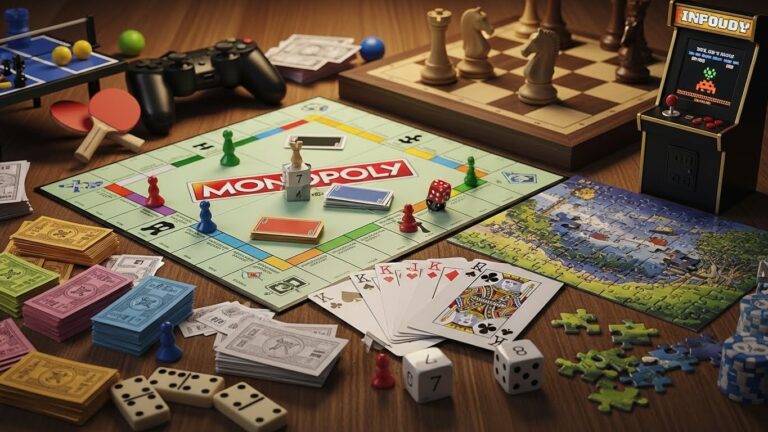
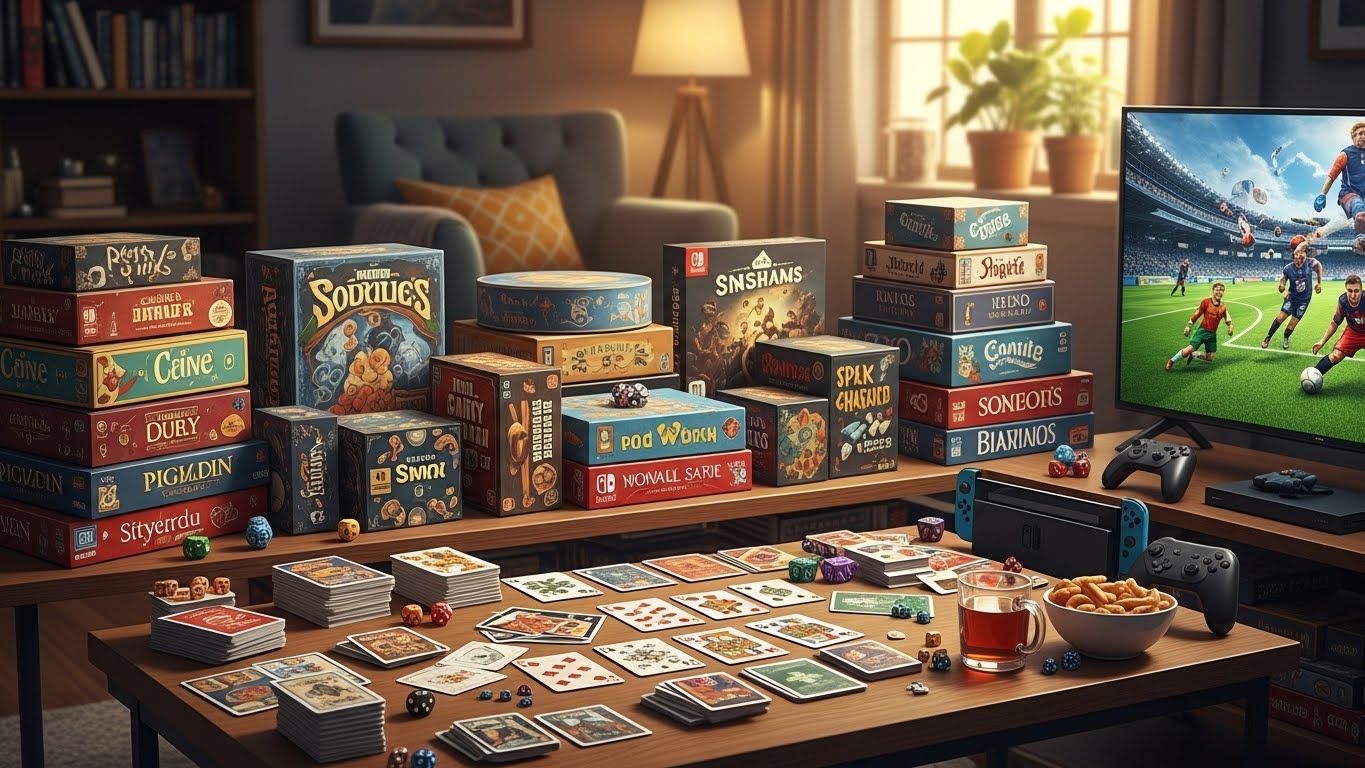
Games have been a part of human civilization for thousands of years. Long before digital screens and advanced technology, people gathered to play games that challenged the mind, tested physical abilities, and strengthened social bonds. Today, games exist in many forms, from traditional board games and outdoor sports to immersive digital worlds and competitive online experiences. Gaming is no longer just a leisure activity; it is a cultural, educational, and economic force that shapes how people think, connect, and express themselves. This blog explores the world of games, their evolution, impact on individuals and society, and their growing role in the modern era.
The Historical Journey of Games
The history of games reflects the evolution of human creativity and social interaction.
Ancient Civilizations and Early Games
Archaeological discoveries show that ancient societies played structured games as early as 3000 BCE. Civilizations such as Egypt, Mesopotamia, China, and India developed board games that required strategy and foresight. These games were often linked to religious beliefs, education, or social status and were seen as tools for teaching patience, planning, and moral values.
Medieval and Renaissance Gaming
During the medieval period, games like chess, cards, and dice became widespread across Europe and Asia. Chess, in particular, became a symbol of intelligence and strategy. These games helped develop analytical thinking and were enjoyed by people from all social classes.
The Birth of Modern Games
The 19th and 20th centuries introduced organized sports, mass-produced board games, and eventually electronic games. With industrialization, games became more accessible, allowing families and communities to enjoy structured entertainment together.
The Digital Revolution
The invention of computers and consoles marked a turning point. Video games evolved rapidly, moving from simple pixel-based designs to complex, story-driven experiences. Online connectivity further expanded gaming into a global phenomenon.
Different Types of Games in Today’s World
Games now exist in a wide range of formats, catering to diverse interests and age groups.
Board and Tabletop Games
Board games continue to thrive due to their social nature. They encourage face-to-face interaction, strategic thinking, and teamwork. Tabletop role-playing games allow players to create stories, characters, and worlds, enhancing imagination and collaboration.
Physical and Sports-Based Games
Sports and outdoor games promote physical fitness, discipline, and teamwork. They teach valuable life skills such as leadership, perseverance, and fair play. These games also foster community spirit and healthy competition.
Video and Digital Games
Digital games dominate the modern gaming landscape. They include genres such as action, adventure, strategy, simulation, and role-playing. These games provide immersive experiences, complex narratives, and interactive challenges that engage players deeply.
Mobile and Casual Games
Mobile games have made gaming accessible to almost everyone. They are designed for quick play sessions and appeal to a broad audience. Casual games provide entertainment, relaxation, and mental stimulation during daily routines.
Cognitive Benefits of Playing Games
Games play a significant role in mental development and cognitive enhancement.
Problem-Solving and Critical Thinking
Many games require players to analyze situations, make decisions, and adapt strategies. Puzzle and strategy games strengthen logical reasoning and improve the ability to solve complex problems.
Memory and Concentration
Games that involve patterns, sequences, or challenges enhance memory and focus. Regular gameplay can improve attention span and mental flexibility.
Creativity and Innovation
Sandbox and open-world games encourage players to experiment, build, and create. This freedom nurtures creativity and allows players to express ideas in unique ways.
Learning Through Interaction
Educational games combine learning with entertainment. They make subjects like math, science, and language more engaging, helping players absorb information naturally.
Social Connections Through Games
Games are powerful tools for building relationships and communities.
Teamwork and Cooperation
Multiplayer games require players to work together, communicate effectively, and trust each other. These skills are valuable in both personal and professional environments.
Global Communities
Online games connect people from different countries and cultures. Players form friendships, exchange ideas, and develop cultural understanding through shared experiences.
Family and Social Bonding
Traditional games bring families together, creating moments of joy and connection. Game nights and friendly competitions strengthen relationships across generations.
Emotional and Psychological Impact of Games
Games influence emotional well-being in meaningful ways.
Stress Relief and Relaxation
Playing games provides an escape from daily stress. Immersive experiences allow players to relax, recharge, and enjoy moments of accomplishment.
Building Resilience
Games often involve challenges and failures. Overcoming obstacles teaches patience, persistence, and emotional resilience.
Confidence and Achievement
Completing tasks, leveling up, or winning matches boosts self-confidence and provides a sense of achievement.
Games as a Cultural Force
Games reflect and influence culture in powerful ways.
Storytelling and Art
Modern games feature rich narratives, music, and visual design. They are recognized as a form of art that combines storytelling with interactivity.
Representation and Diversity
Games increasingly include diverse characters and perspectives. This representation helps players feel seen and promotes inclusivity.
Influence on Media and Trends
Games inspire movies, books, fashion, and music. Popular characters and stories often become cultural icons.
Economic Importance of the Gaming Industry
Gaming is a major global industry with significant economic impact.
Revenue and Growth
The gaming industry generates billions in revenue through game sales, in-game purchases, and related merchandise. It continues to grow as technology advances.
Career Opportunities
Gaming creates jobs for developers, designers, artists, writers, marketers, and professional players. It also supports content creators and event organizers.
Technological Innovation
Advancements in gaming technology contribute to progress in artificial intelligence, graphics, and virtual environments, benefiting other industries as well.
Technology Shaping the Future of Games
Technology continues to redefine how games are played and experienced.
Enhanced Graphics and Realism
Modern games offer highly detailed environments and lifelike animations, creating immersive experiences.
Virtual and Augmented Reality
These technologies allow players to step inside game worlds, making gameplay more interactive and engaging.
Artificial Intelligence
AI improves game design by creating smarter opponents and dynamic storylines that adapt to player choices.
Challenges in the Gaming World
Despite its benefits, gaming faces challenges that must be addressed responsibly.
Excessive Gaming
Overplaying can lead to health and lifestyle issues. Balanced gaming habits are essential.
Online Behavior
Negative behavior in online spaces can affect player experiences. Encouraging respect and positivity is important.
Accessibility Issues
Not everyone has equal access to gaming technology, which can create gaps in participation.
The Future of Games
The future of games promises innovation and inclusivity.
More Immersive Experiences
Advancements will continue to blur the line between reality and digital worlds.
Personalized Gameplay
Games will adapt to individual preferences, offering unique experiences for each player.
Games Beyond Entertainment
Games will play a larger role in education, training, and social development.
Conclusion: Games as a Lasting Part of Human Life
Games are far more than a form of entertainment. They challenge the mind, connect people, inspire creativity, and reflect cultural values. From ancient board games to modern digital adventures, games have evolved alongside humanity, shaping how people learn, interact, and express themselves. As technology advances and communities grow, games will continue to play a vital role in shaping the future, proving that play is not just a pastime, but an essential part of the human experience.
About the Author