Introduction: The Everlasting Allure of Games
Games have always been a part of human culture. From the earliest civilizations to modern society, games have offered entertainment, challenges, and a sense of community. They come in various forms, from traditional board games to cutting-edge video games, each with its unique charm. But what makes games so universally appealing? The answer lies in their ability to combine competition, creativity, and social interaction, offering experiences that resonate with people of all ages.
The Origins of Games: A Historical Perspective
The history of games is as fascinating as the games themselves. Ancient civilizations played games for both leisure and education. Archaeological findings reveal that early Egyptians played a game called Senet, which involved strategy and luck, while the Mesopotamians enjoyed the Royal Game of Ur, a precursor to modern board games. Even ancient China contributed to gaming culture with Go, a game that continues to challenge minds worldwide. These early games reflect not just entertainment but also the societal values and intellectual pursuits of their time.
Board Games: A Social Experience
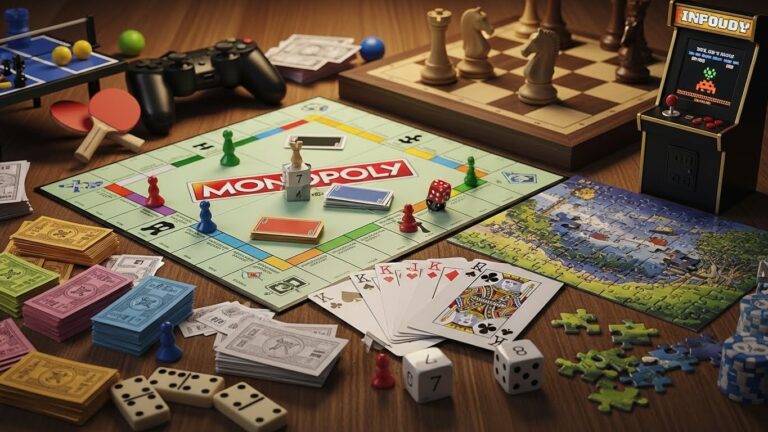
Board games remain one of the most enduring forms of entertainment. Titles like Monopoly, Chess, and Scrabble have become household names, each offering a different kind of mental engagement. Chess, for instance, is a game of strategy, patience, and foresight, appealing to those who enjoy intellectual challenges. Monopoly, on the other hand, provides a playful simulation of economics and property management. The social interaction in board games fosters connections among players, making them more than just a pastime—they are tools for building relationships and developing cognitive skills.
Card Games: Luck Meets Strategy
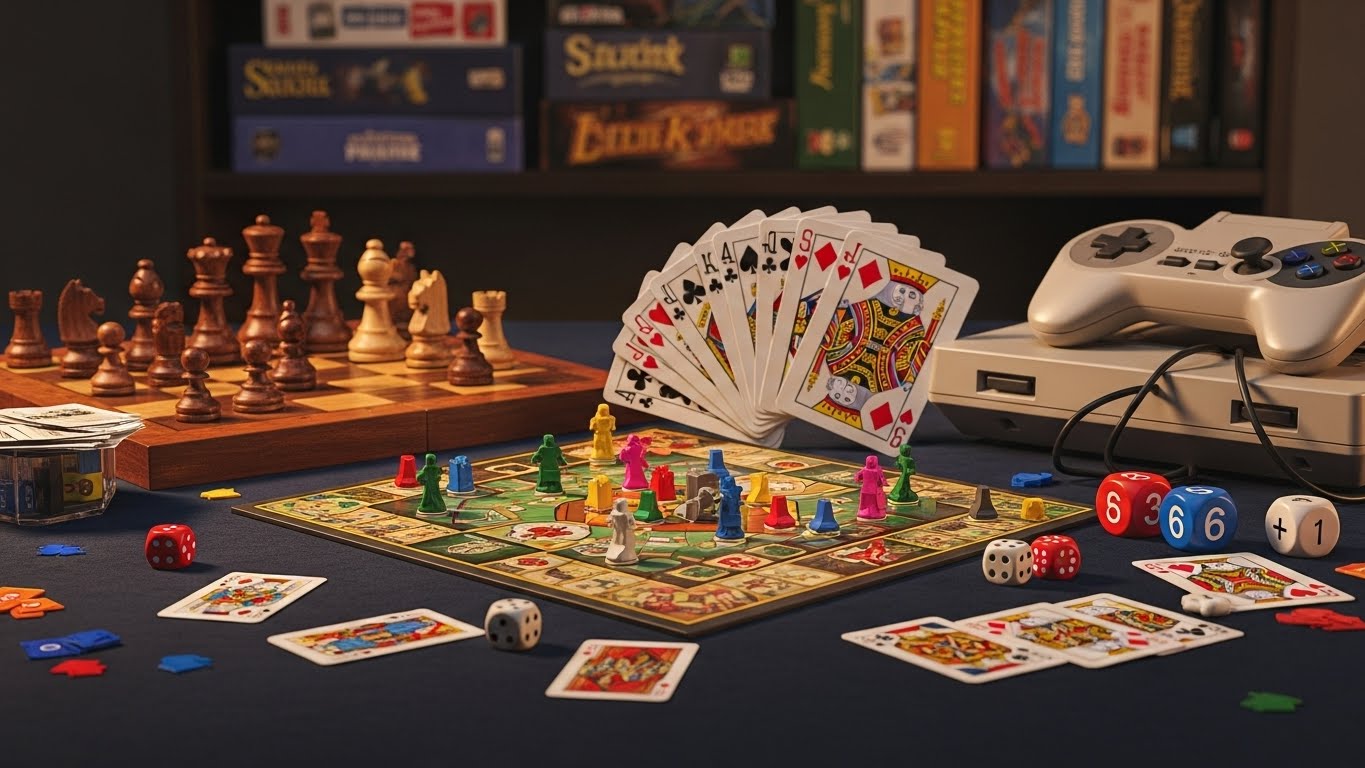
Card games occupy a unique space in the world of games. They combine elements of chance with strategic thinking. Poker, Bridge, and Solitaire are some of the most popular examples, each offering a different type of engagement. Poker challenges players to read opponents, manage risks, and make calculated decisions. Bridge emphasizes teamwork and communication. Solitaire, often a solo activity, requires patience and planning. The versatility of card games makes them suitable for social gatherings, quiet afternoons, or competitive tournaments, proving that games can adapt to different contexts.
Sports and Physical Games: Fitness and Fun
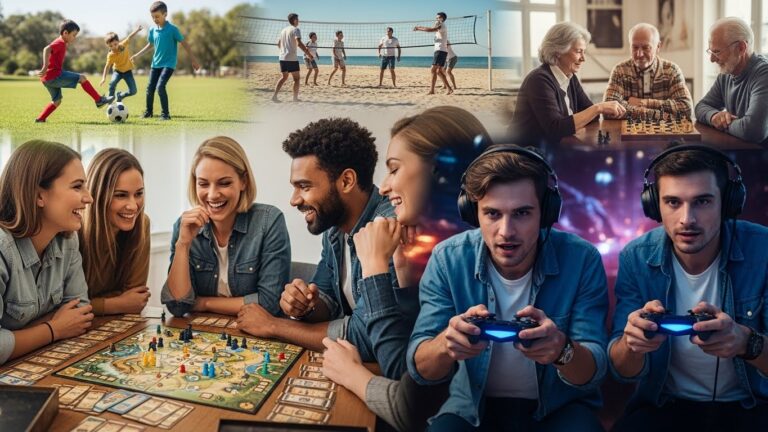
Games are not just mental exercises; they also provide physical benefits. Sports like football, basketball, and tennis have global followings, combining athleticism, strategy, and teamwork. Beyond traditional sports, games like tag, hide-and-seek, or hopscotch have entertained children for generations. Physical games encourage fitness, coordination, and social interaction, while also teaching valuable lessons in perseverance, discipline, and fair play. The beauty of physical games lies in their universality—they transcend language, culture, and age.
Video Games: The Digital Revolution
The advent of video games revolutionized the gaming landscape. From simple pixelated graphics to immersive virtual worlds, video games have become a cultural phenomenon. Titles like Super Mario, The Legend of Zelda, and Minecraft have captured the imaginations of millions, offering unique experiences that blend storytelling, problem-solving, and creativity. Video games allow players to explore fantastical worlds, develop strategic thinking, and engage in collaborative or competitive play with others around the globe. The rise of online multiplayer games has also fostered a sense of community, connecting people from different corners of the world.
The Role of Storytelling in Games
One of the most compelling aspects of modern games is storytelling. Many games are not just about winning or scoring points—they are about immersing players in narratives that evoke emotions and provoke thought. Role-playing games, adventure games, and simulation games often include intricate plots, well-developed characters, and moral choices that influence outcomes. This integration of storytelling and gameplay transforms games into interactive experiences, blurring the lines between literature, cinema, and play.
Educational Games: Learning Through Play
Games are powerful tools for education. Educational games combine entertainment with learning objectives, making complex subjects more accessible. From language learning apps to science-based simulations, games provide interactive experiences that enhance retention and engagement. Children and adults alike benefit from the hands-on learning environment games create, which often fosters problem-solving skills, critical thinking, and creativity. The effectiveness of educational games demonstrates that fun and learning are not mutually exclusive—they can coexist to produce meaningful growth.
Cultural Impact of Games
Games are more than mere entertainment—they reflect and shape culture. Traditional games often carry cultural significance, preserving customs and storytelling traditions. Modern games, particularly video games, influence art, fashion, music, and social interactions. E-sports have transformed gaming into a professional arena, where players compete for fame and fortune, inspiring new forms of media and community engagement. The cultural impact of games is profound, showing that they are not only a pastime but also a lens through which we can examine societal values and trends.
Psychological Benefits of Gaming
Engaging in games offers numerous psychological benefits. Strategic games enhance cognitive functions like memory, attention, and problem-solving. Multiplayer games foster collaboration, empathy, and communication skills. Even casual games can provide relaxation, stress relief, and a sense of accomplishment. Games also allow players to experiment with different identities and scenarios, offering safe spaces for exploring emotions and decision-making. The mental benefits of gaming illustrate that play is an essential component of human well-being, not merely a leisure activity.
The Future of Gaming: Innovation and Beyond
The future of gaming promises even more innovation and creativity. Virtual reality and augmented reality technologies are transforming how players interact with digital environments, offering immersive experiences that feel almost real. Artificial intelligence is enhancing game design, providing adaptive challenges that respond to players’ abilities. Social and collaborative gaming experiences continue to expand, connecting communities across the globe. As technology evolves, games are likely to become even more interactive, personalized, and integrated into daily life, bridging the gap between entertainment, education, and social engagement.
Conclusion: The Timeless Joy of Play
Games are a reflection of human creativity, curiosity, and social connection. From ancient board games to futuristic virtual realities, they provide entertainment, challenge, and growth. They teach us strategy, patience, cooperation, and resilience while offering opportunities for social interaction and self-expression. In a rapidly changing world, games remain a constant source of joy and inspiration. They remind us that play is not just for children—it is a vital aspect of human life, offering endless opportunities to learn, explore, and connect.
About the Author