
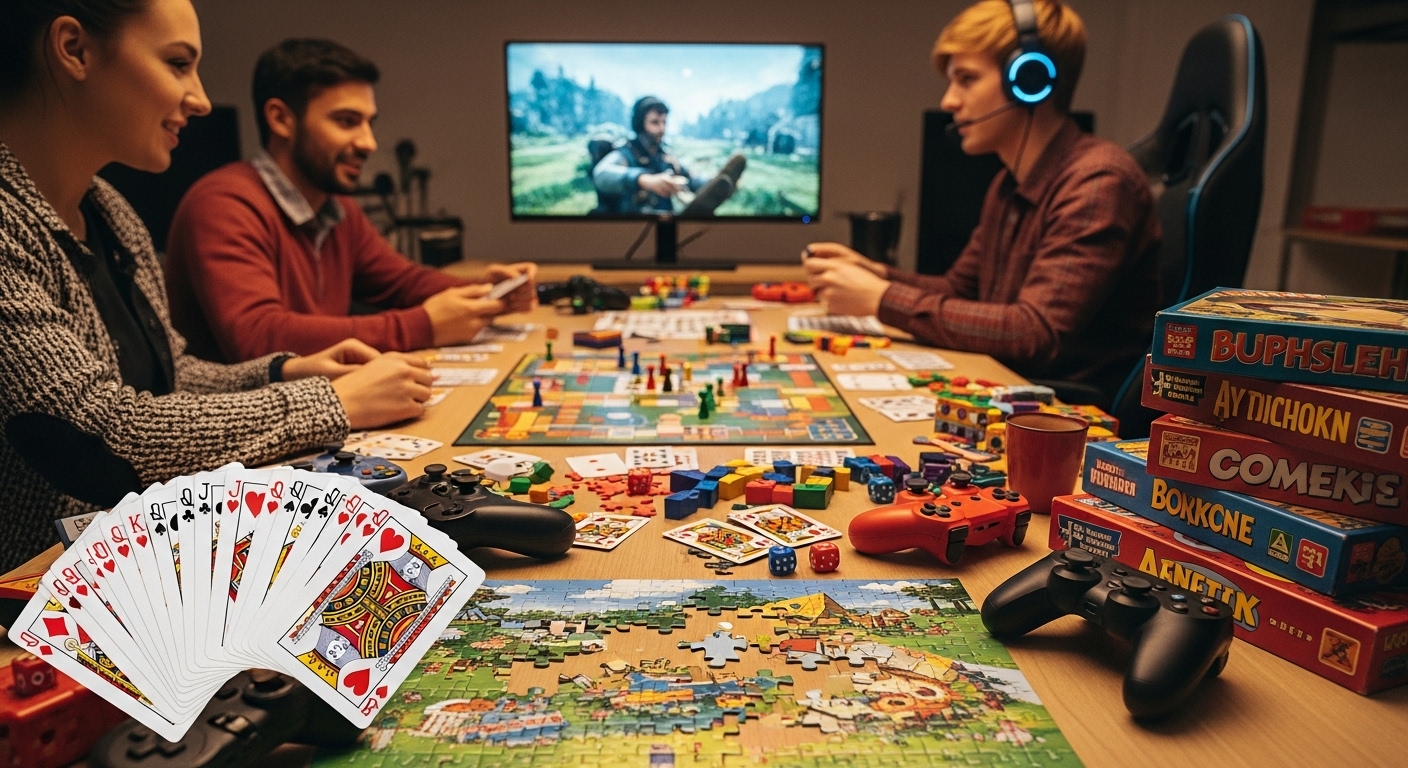
Introduction: The Power of Games
Games are more than just a pastime; they are a cultural phenomenon that has evolved alongside human civilization. From traditional board games to the latest video game consoles, games have been a source of entertainment, social interaction, and intellectual stimulation. In recent decades, the gaming industry has experienced unprecedented growth, fueled by technology, online connectivity, and creative innovation. Games now influence culture, education, and even professional careers, demonstrating their importance far beyond simple amusement.
The History of Gaming
The concept of games is as old as civilization itself. Ancient societies created board games like Senet in Egypt and Go in China, not only for entertainment but also for strategic thinking and social interaction. Over centuries, games evolved into more complex forms, including card games, sports, and role-playing activities. The late 20th century marked a revolutionary shift with the rise of video games, from arcade classics like Pac-Man and Space Invaders to home console systems like Nintendo and Sega. This evolution reflects humanity’s constant desire for engagement, challenge, and creativity through structured play.
Video Games: A Digital Revolution
Video games have transformed the concept of entertainment. Early consoles offered simple graphics and gameplay, but technological advancements have created immersive virtual worlds, realistic graphics, and complex narratives. Modern games, such as open-world adventures, strategy simulations, and multiplayer online games, provide experiences that rival traditional media in storytelling and engagement. Video games are not only entertainment; they are platforms for social interaction, competition, and artistic expression. They challenge players’ strategic thinking, reflexes, and creativity, making them a unique form of cultural consumption.
Online and Multiplayer Gaming
The rise of the internet has revolutionized gaming by enabling online multiplayer experiences. Gamers from different parts of the world can compete, collaborate, and communicate in real time. Massive multiplayer online games, or MMOs, such as World of Warcraft, have created virtual communities where social interaction and teamwork are essential. Online gaming has blurred the lines between entertainment and social engagement, fostering global friendships, competitive leagues, and collaborative problem-solving. This connectivity has made gaming a shared cultural experience rather than a solitary hobby.
Mobile Gaming: Gaming on the Go
Mobile technology has brought gaming to everyone’s fingertips. Smartphones and tablets allow players to access games anytime and anywhere, transforming short moments of downtime into interactive experiences. Mobile games range from casual puzzle games to complex strategy challenges, appealing to diverse audiences. Popular mobile titles have also introduced social elements, such as multiplayer modes, leaderboards, and community events, further increasing engagement. Mobile gaming has democratized access, making games a ubiquitous part of modern life and broadening the gaming audience to include people of all ages.
The Rise of Esports
Esports, competitive gaming at a professional level, has emerged as a major force in the gaming world. Professional players, teams, and leagues compete in popular titles such as League of Legends, Dota 2, and Counter-Strike, attracting millions of viewers online and in arenas. Esports tournaments offer significant prize money, sponsorship deals, and global recognition. This professionalization has transformed gaming from a leisure activity into a career path, demanding rigorous practice, strategic thinking, and teamwork. Esports has also created a new form of entertainment that rivals traditional sports in excitement and cultural influence.
Games and Education
Games are increasingly recognized as powerful educational tools. Educational games and simulations teach problem-solving, critical thinking, and strategic planning. Subjects such as mathematics, history, and language can be explored through interactive gameplay, making learning engaging and memorable. Gamification, the use of game mechanics in non-gaming contexts, has been applied in classrooms, corporate training, and skill development programs. This demonstrates that games are not only entertaining but also valuable tools for personal and professional growth.
Social and Cultural Impact of Games
Games have a profound social and cultural impact. They bring people together, foster community, and encourage collaboration. Online communities and gaming forums allow players to share experiences, strategies, and creative content. Games also influence popular culture, inspiring movies, books, music, and fashion. They reflect societal values, trends, and issues, offering players not only entertainment but also opportunities for cultural engagement and exploration. Games have become a medium through which ideas, stories, and identities are shared globally.
The Psychology of Gaming
Understanding why people play games provides insight into their popularity. Games provide challenges, rewards, and a sense of accomplishment. They allow players to experiment with creativity, decision-making, and social interaction in a controlled environment. Games can reduce stress, improve cognitive function, and enhance problem-solving abilities. They also provide a safe space for exploration, competition, and collaboration. The psychology of gaming explains its appeal across ages and cultures, highlighting its potential for both enjoyment and personal development.
The Technology Behind Modern Games
Modern games rely on advanced technology to create immersive experiences. Graphics engines, physics simulations, and artificial intelligence bring virtual worlds to life. Virtual reality and augmented reality offer players sensory-rich environments where they can interact with game worlds in innovative ways. Cloud gaming allows high-quality games to be streamed directly to devices without requiring high-end hardware. The convergence of these technologies ensures that games remain engaging, visually stunning, and accessible, continuously pushing the boundaries of entertainment.
Gaming as a Career
The gaming industry has evolved into a viable career path. Professional gamers, streamers, game developers, designers, and esports managers are among the many roles that exist today. Platforms such as Twitch and YouTube Gaming allow individuals to build careers through content creation, live streaming, and community engagement. Game development itself offers opportunities in coding, art, storytelling, and sound design. Careers in gaming combine passion with skill, creativity, and business acumen, highlighting the multifaceted nature of the industry.
Challenges in the Gaming Industry
Despite its growth, the gaming industry faces challenges. Issues such as addiction, screen time management, and toxic behavior in online communities are areas of concern. Game developers also face pressures to balance innovation, monetization, and ethical considerations. Representation, inclusivity, and diversity within games are critical discussions as the industry expands globally. Addressing these challenges is essential to ensure that gaming remains a safe, inclusive, and enriching form of entertainment for all players.
The Future of Gaming
The future of gaming is full of exciting possibilities. Advances in artificial intelligence, virtual reality, and cloud technology will create more immersive and interactive experiences. Games will continue to integrate with social media, education, and professional development. Esports will grow in prominence, with more global tournaments, sponsorships, and mainstream recognition. The line between reality and virtual worlds will blur further, offering new opportunities for creativity, entertainment, and engagement. Gaming will continue to evolve as a central part of culture, technology, and human experience.
Conclusion: The Enduring Appeal of Games
Games have evolved from simple pastimes to complex, immersive experiences that shape culture, technology, and social interaction. From board games to esports, from mobile apps to virtual reality, gaming has influenced entertainment, education, and careers. Games provide challenges, rewards, social connections, and personal growth opportunities. They are a reflection of human creativity, innovation, and the desire for engagement. As technology advances and gaming continues to evolve, one thing remains clear: games are not just a form of entertainment—they are a vital part of modern life, culture, and human experience.
About the Author