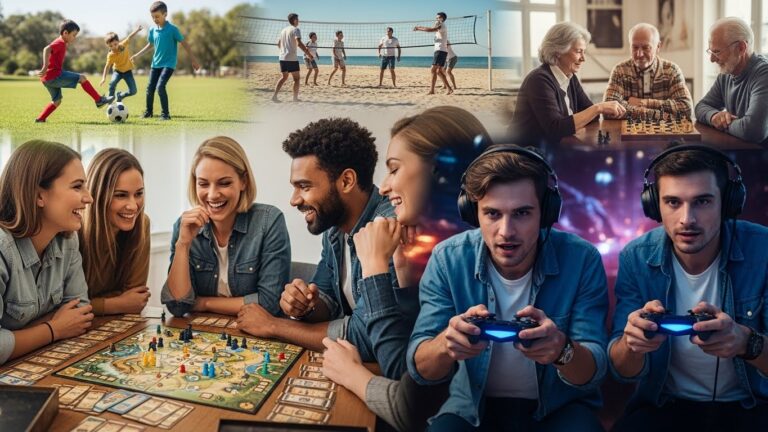
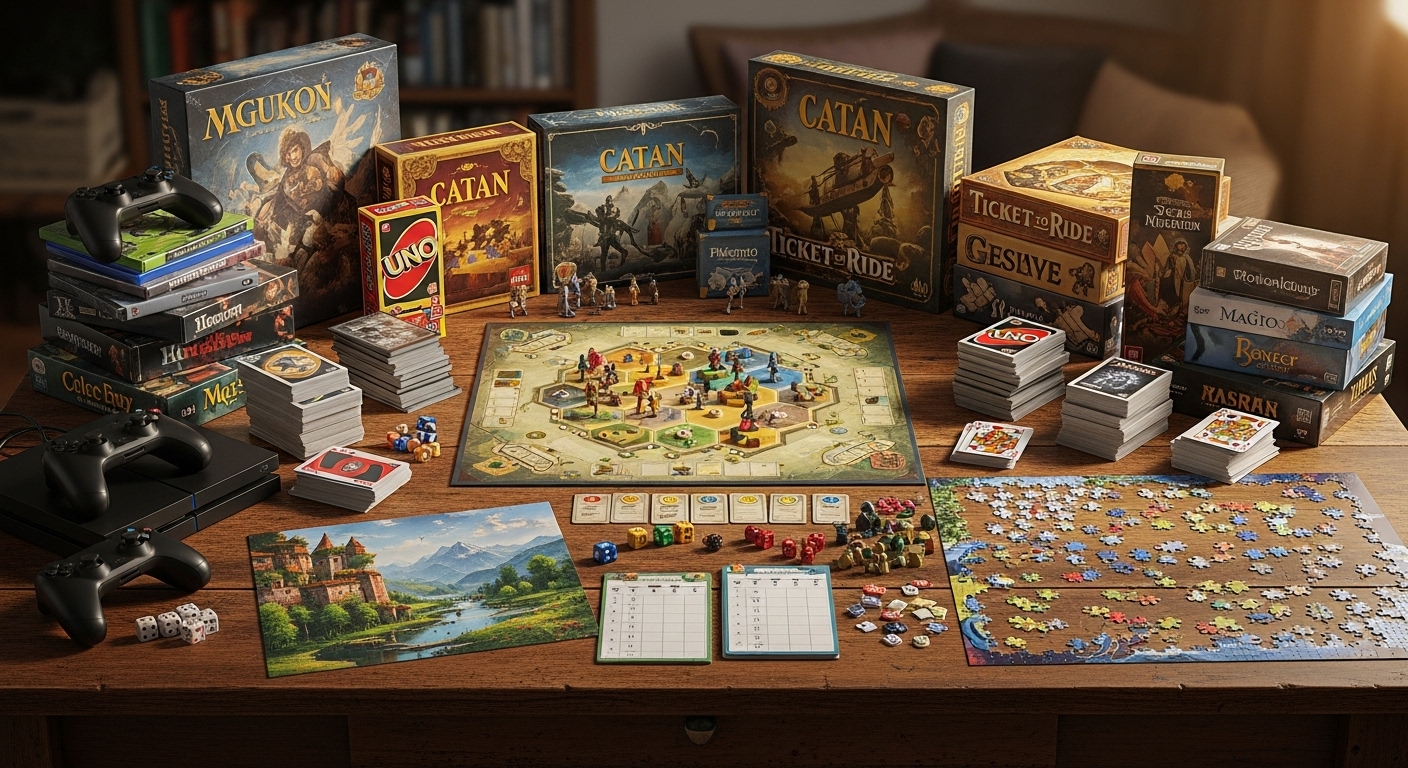
Gaming is one of the most dynamic and rapidly growing forms of entertainment in the world today. What once began as a simple pastime of arcade machines and home consoles has exploded into a global industry encompassing a wide array of genres, platforms, and experiences. From solo adventures in expansive virtual worlds to competitive esports tournaments streamed to millions of viewers, the world of games has evolved into something far beyond just a hobby—it is a cultural phenomenon that touches nearly every corner of modern society.
In this blog post, we will explore the evolution of games, their impact on society, the rise of gaming culture, and where the future of play is headed.
The Evolution of Games: From Simple Beginnings to Global Phenomenon
The history of games dates back to ancient civilizations, where people engaged in various forms of play. The earliest games were often simple—played with dice or boards and enjoyed by people of all ages and social classes. From the ancient Egyptians’ game of Senet to the medieval game of chess, the concept of gaming has been ingrained in human culture for thousands of years.
However, the modern concept of “video games” began to take shape in the late 20th century with the advent of computers and arcade machines. The first commercially successful video game, Pong, was released in 1972, marking the beginning of the gaming industry as we know it. With the introduction of home consoles like the Atari 2600 in the late 1970s and early 1980s, video games became accessible to a wider audience.
The next few decades saw a rapid evolution of gaming, with the introduction of 3D graphics, more complex gameplay, and the rise of genres like platformers, role-playing games (RPGs), and first-person shooters (FPS). The gaming experience expanded from a niche activity to a mainstream form of entertainment, and by the 1990s, gaming was firmly entrenched in popular culture. Consoles like the Sony PlayStation and Microsoft Xbox, along with the rise of PC gaming, gave players access to a new level of interactivity, graphics, and storytelling.
The Rise of Online Gaming: Connecting Players Across the Globe
One of the most significant changes in the gaming world came with the rise of the internet and online gaming. In the early days, gaming was a solitary experience, with players interacting with the game world and its characters in isolation. However, as internet speeds improved and online infrastructure became more robust, gaming began to evolve into a social experience.
The launch of multiplayer online games, such as Warcraft, Quake, and StarCraft, allowed players to connect and compete with one another in real-time, no matter where they were in the world. This not only revolutionized how people played games but also introduced the idea of competitive gaming—laying the foundation for the esports industry that would explode in the 21st century.
The introduction of massive multiplayer online role-playing games (MMORPGs) like World of Warcraft and Final Fantasy XIV further expanded online gaming. Players could now immerse themselves in vast, shared worlds, creating characters, forming alliances, and participating in epic battles with thousands of others. These online games often became central hubs of social interaction, where players formed communities, made lasting friendships, and even created professional careers.
The Explosion of Mobile Gaming
With the rise of smartphones and tablets, mobile gaming emerged as a dominant force in the industry. The launch of the Apple App Store in 2008 and Google Play shortly after opened the floodgates for mobile game development. Mobile games were now accessible to millions of people around the world, and they could be played at any time and anywhere.
Casual games like Angry Birds, Candy Crush Saga, and Clash of Clans proved that gaming wasn’t limited to hardcore players anymore. These games were simple to understand, easy to play, and incredibly addictive, capturing the attention of people who had never considered themselves gamers. Mobile games not only expanded the reach of gaming but also democratized it, making it accessible to all demographics—regardless of age, skill level, or interest.
Moreover, the free-to-play model became a staple in mobile gaming, with games offering free downloads and in-game purchases. This model allowed players to enjoy games without a financial commitment upfront, while developers monetized through microtransactions, offering additional content or in-game advantages for a price.
Gaming Culture: More Than Just a Hobby
As gaming became more popular, it began to permeate other aspects of culture. The line between gaming and broader entertainment blurred, with games inspiring movies, television shows, books, and music. Titles like The Witcher, Halo, and Tomb Raider have been adapted into successful movies and TV series, while game-inspired music scores have earned recognition in mainstream media.
Gaming has also become a form of social interaction, with millions of people streaming their gameplay on platforms like Twitch and YouTube. Gamers are now influencers, with large followings and the ability to make a living through their content. Online communities have formed around specific games, genres, and personalities, creating spaces for people to connect, share experiences, and even collaborate on projects.
The rise of esports has taken gaming from the living room to the arena. Competitive gaming has grown into a professional sport, with tournaments offering millions of dollars in prize money and stadiums filled with spectators. Esports organizations like Team Liquid, Cloud9, and Fnatic have become household names, and gamers are now revered as athletes in their own right.
Furthermore, gaming has become an avenue for storytelling, with many modern titles offering deep, immersive narratives that rival those of movies and novels. Games like The Last of Us, Red Dead Redemption, and The Elder Scrolls have demonstrated that video games can be as emotionally powerful and thought-provoking as any other form of entertainment.
The Impact of Gaming on Mental Health and Cognitive Development
While gaming is often seen purely as a form of entertainment, research has shown that it can have both positive and negative effects on mental health and cognitive development. On the positive side, certain types of games have been linked to improvements in problem-solving skills, strategic thinking, and creativity. Many games, particularly puzzle games, require players to think critically and make quick decisions, which can enhance cognitive abilities.
Moreover, multiplayer games foster teamwork, communication, and social bonding, offering players a sense of community and belonging. Studies have shown that online games can reduce feelings of loneliness and improve social interaction for people who may have difficulty forming connections in the real world.
However, there are also concerns about the potential negative effects of gaming. Excessive gaming can lead to addiction, particularly with games that encourage players to continue playing for rewards or progression. This can result in poor sleep, reduced physical activity, and negative impacts on academic or professional performance. Like any form of entertainment, moderation is key to enjoying gaming in a healthy way.
The Future of Gaming: Trends and Innovations
As gaming continues to evolve, several trends and innovations are poised to shape the future of play. These developments will push the boundaries of what is possible and continue to expand the role of gaming in entertainment.
1. Virtual Reality (VR) and Augmented Reality (AR)
Virtual reality and augmented reality are set to revolutionize gaming. VR allows players to step into fully immersive digital worlds, offering experiences that feel incredibly lifelike. Games like Half-Life: Alyx and Beat Saber have already demonstrated the potential of VR, and as the technology improves, we can expect more games to adopt this format.
Augmented reality, which blends the digital and physical worlds, has already made a splash with games like Pokémon Go. In the future, AR could allow players to interact with game elements overlaid on the real world, creating entirely new ways of playing and experiencing games.
2. Cloud Gaming
Cloud gaming, which allows players to stream games without the need for powerful hardware, is another trend that could redefine the industry. Services like Google Stadia, Microsoft’s Xbox Cloud Gaming, and Nvidia GeForce Now are already offering players the ability to play high-end games on low-spec devices like smartphones and laptops. As internet speeds increase and cloud infrastructure improves, gaming will become even more accessible to people around the world.
3. Artificial Intelligence (AI) in Games
AI has already played a significant role in gaming, from creating dynamic non-playable characters (NPCs) to generating complex game worlds. In the future, AI could lead to even more advanced and responsive gameplay, creating games that adapt to players’ actions and decisions. This could result in games with near-limitless replayability, as every player’s experience would be unique.
4. Cross-Platform Play and Global Connectivity
The future of gaming will likely see even more seamless integration between platforms, allowing players to connect and play together regardless of the device they’re using. Cross-platform play is already available in games like Fortnite and Minecraft, and as the gaming industry continues to prioritize player experience, we can expect more titles to embrace this feature.
Conclusion: Gaming as a Universal Language
From its humble beginnings as a niche activity to its current status as a global industry, gaming has evolved into one of the most powerful forms of entertainment in the world. It has connected people across borders, provided new ways of storytelling, and even sparked social movements. As technology continues to advance, the potential for gaming will only expand, offering new forms of immersion, interaction, and community.
Gaming is no longer just a hobby—it is a culture, a profession, and a global phenomenon that has the power to bring people together in ways that were once unimaginable. Whether it’s through esports, social gaming, or simply enjoying a single-player adventure, games have become an integral part of the modern entertainment landscape. And as the industry continues to innovate, it’s clear that the world of gaming is only just getting started.
About the Author