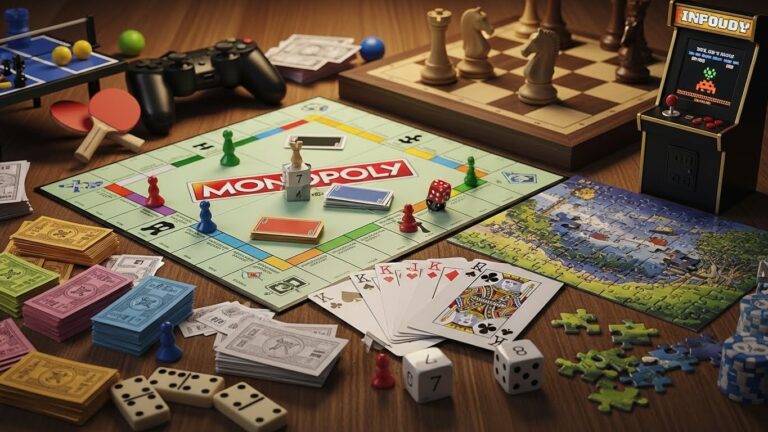

Introduction: Games as a Universal Language
Games are a fundamental part of human life, transcending age, culture, and geography. From simple childhood board games to highly immersive video games, play has always served as a medium for learning, entertainment, socialization, and skill development. Games are more than just fun—they reflect creativity, strategy, and human ingenuity. Today, the gaming world is a dynamic ecosystem encompassing physical games, digital experiences, and competitive esports. This blog explores the evolution of games, their benefits, cultural impact, economic significance, and the role they play in shaping modern society.
The Historical Evolution of Games
The story of games mirrors human history, reflecting cultural values and technological progress.
Ancient Games and Recreation
Games date back thousands of years, with archaeological evidence showing ancient civilizations playing board games, dice games, and athletic competitions. Examples include the Egyptian game Senet, the Chinese game Go, and early Greek athletic contests. These games were designed not only for entertainment but also for teaching strategy, skill, and discipline.
Medieval and Early Modern Games
During the Middle Ages, games such as chess, card games, and tabletop role-playing activities became popular among nobility and common people alike. Games offered social interaction, mental challenges, and strategic thinking.
The Rise of Modern Games
The 20th century saw the introduction of video games, pinball, and arcade machines. Early titles like Pong and Pac-Man laid the foundation for a new era of digital gaming, merging technology with play.
Digital and Online Gaming
With the internet, gaming became a global phenomenon. Multiplayer online games, MMORPGs, and competitive esports connected players worldwide, creating communities and entirely new forms of entertainment.
Games have continually evolved to reflect society, technology, and human creativity, creating experiences that entertain, challenge, and connect people.
The Types of Games
Games today are diverse, spanning physical, mental, and digital formats.
Board Games and Tabletop Games
Classic board games such as Monopoly, Chess, and Settlers of Catan combine strategy, chance, and social interaction. Tabletop role-playing games like Dungeons & Dragons stimulate creativity, imagination, and storytelling.
Sports and Physical Games
Traditional sports like football, basketball, and tennis promote fitness, teamwork, and discipline. Physical games encourage social engagement, cooperation, and healthy competition.
Video Games
Video games include genres like action, adventure, simulation, and strategy. They offer interactive narratives, challenges, and immersive experiences. Popular franchises have global followings and create cultural phenomena.
Mobile and Casual Games
Mobile games make entertainment accessible anytime, anywhere. Casual games like puzzles and strategy apps appeal to a wide demographic and encourage short, engaging play sessions.
Games come in many forms, each offering unique experiences and benefits for players of all ages.
The Cognitive and Educational Benefits of Games
Games are more than entertainment—they provide mental and educational advantages.
Critical Thinking and Problem-Solving
Strategy games, puzzles, and role-playing scenarios require players to analyze situations, plan moves, and adapt strategies. This enhances critical thinking and decision-making skills.
Memory and Attention
Games that involve pattern recognition, challenges, or timed tasks improve memory, focus, and cognitive flexibility.
Creativity and Imagination
Open-world video games and sandbox environments encourage creative thinking. Players design structures, create characters, and develop narratives, enhancing imagination.
Learning Through Play
Educational games teach math, language, science, and history in interactive ways. Gamified learning encourages engagement and retention while making education enjoyable.
Games are a powerful tool for mental stimulation, problem-solving, and creative expression.
Social and Emotional Impact of Games
Games influence human connection, empathy, and emotional well-being.
Building Teamwork and Cooperation
Multiplayer and team-based games teach communication, coordination, and collaboration. Players learn to work together to achieve shared goals, developing interpersonal skills.
Stress Relief and Relaxation
Playing games provides a mental escape from daily pressures. Engaging in challenges, achievements, and immersive experiences can reduce stress and improve mood.
Community and Cultural Connection
Online gaming communities allow players to connect with like-minded individuals worldwide. Shared interests create friendships, cultural exchange, and global collaboration.
Resilience and Emotional Growth
Games often involve challenges, setbacks, and competition. Players learn to cope with failure, persist through difficulty, and celebrate success, building emotional resilience.
Games serve as platforms for socialization, emotional development, and shared experiences.
The Cultural Significance of Games
Games reflect culture and influence society in meaningful ways.
Cultural Expression
Games often incorporate cultural themes, myths, and traditions. From folklore-inspired stories to regional board games, games preserve and celebrate cultural heritage.
Influence on Media and Art
Games inspire movies, music, literature, and art. Popular titles shape narratives and aesthetics that extend beyond the gaming world.
Global Exchange
Online gaming fosters cross-cultural interactions, allowing players to understand different languages, customs, and perspectives.
Representation and Diversity
Modern games increasingly feature diverse characters and stories, promoting inclusion and broadening cultural understanding.
Games are a reflection of culture, a tool for education, and a medium for fostering global understanding.
The Economic Impact of Gaming
Gaming has evolved into a significant industry with global economic influence.
Revenue Generation
The gaming industry generates billions of dollars through game sales, in-game purchases, subscriptions, and licensing deals. Successful franchises contribute to long-term economic impact.
Employment Opportunities
Games provide careers for developers, designers, marketers, animators, writers, esports professionals, and content creators.
Innovation and Technology
Gaming drives advancements in graphics, artificial intelligence, virtual reality, and cloud computing, with applications beyond entertainment.
Events and Tourism
Esports tournaments and gaming conventions attract global audiences, boosting tourism, hospitality, and local economies.
Gaming is not just entertainment; it is a major contributor to economic growth and technological progress.
Technology and Games
Technology plays a central role in modern gaming, enhancing engagement and immersion.
Graphics and Visual Realism
Advanced graphics engines and rendering techniques create immersive worlds and realistic experiences.
Virtual and Augmented Reality
VR and AR provide interactive gameplay that allows players to experience environments in three dimensions and interact physically with virtual objects.
Artificial Intelligence
AI improves game design, creating dynamic narratives, adaptive challenges, and realistic character behavior.
Cloud Gaming
Cloud platforms make gaming more accessible, eliminating hardware barriers and enabling seamless gameplay across devices.
Technology transforms games from simple pastimes into immersive, interactive experiences.
Challenges in the Gaming World
Despite its growth, gaming faces challenges that require attention.
Addiction and Excessive Play
Overindulgence in gaming can negatively impact health, productivity, and social relationships. Awareness and moderation are essential.
Toxic Communities
Online interactions can sometimes involve harassment, cheating, and negative behavior, affecting player experiences.
Ethical Monetization
In-game purchases and microtransactions can exploit players if implemented irresponsibly, requiring transparency and fair practices.
Access and Equity
Not all players have equal access to hardware, internet, or opportunities, limiting participation in gaming communities.
Addressing these challenges ensures a safe, inclusive, and responsible gaming ecosystem.
The Future of Games
The future of games promises technological innovation, inclusivity, and immersive experiences.
Virtual Reality and Immersive Play
VR and AR will continue to redefine gameplay, allowing deeper interaction and presence in digital worlds.
Artificial Intelligence and Adaptive Gaming
AI will create smarter opponents, dynamic storylines, and personalized experiences for players.
Cross-Platform and Cloud-Based Play
Seamless integration across devices and cloud platforms will make gaming accessible to more people, regardless of hardware.
Gaming as a Social and Cultural Force
Games will continue to foster global communities, cultural exchange, and shared experiences, influencing society beyond entertainment.
The future of games is immersive, connected, and globally influential, offering new ways to engage, learn, and collaborate.
Conclusion: Games as a Pillar of Modern Life
Games are more than pastimes—they are tools for learning, creativity, social connection, and cultural expression. From ancient board games to modern virtual worlds, games engage the mind, foster collaboration, and provide entertainment that reflects human ingenuity. The gaming industry is a major cultural and economic force, shaping technology, media, and global communities.
As gaming continues to evolve, it will offer increasingly immersive, meaningful, and inclusive experiences. Games are not just play—they are a universal language, bridging generations, cultures, and ideas while celebrating the creativity and resilience of human imagination.
About the Author