
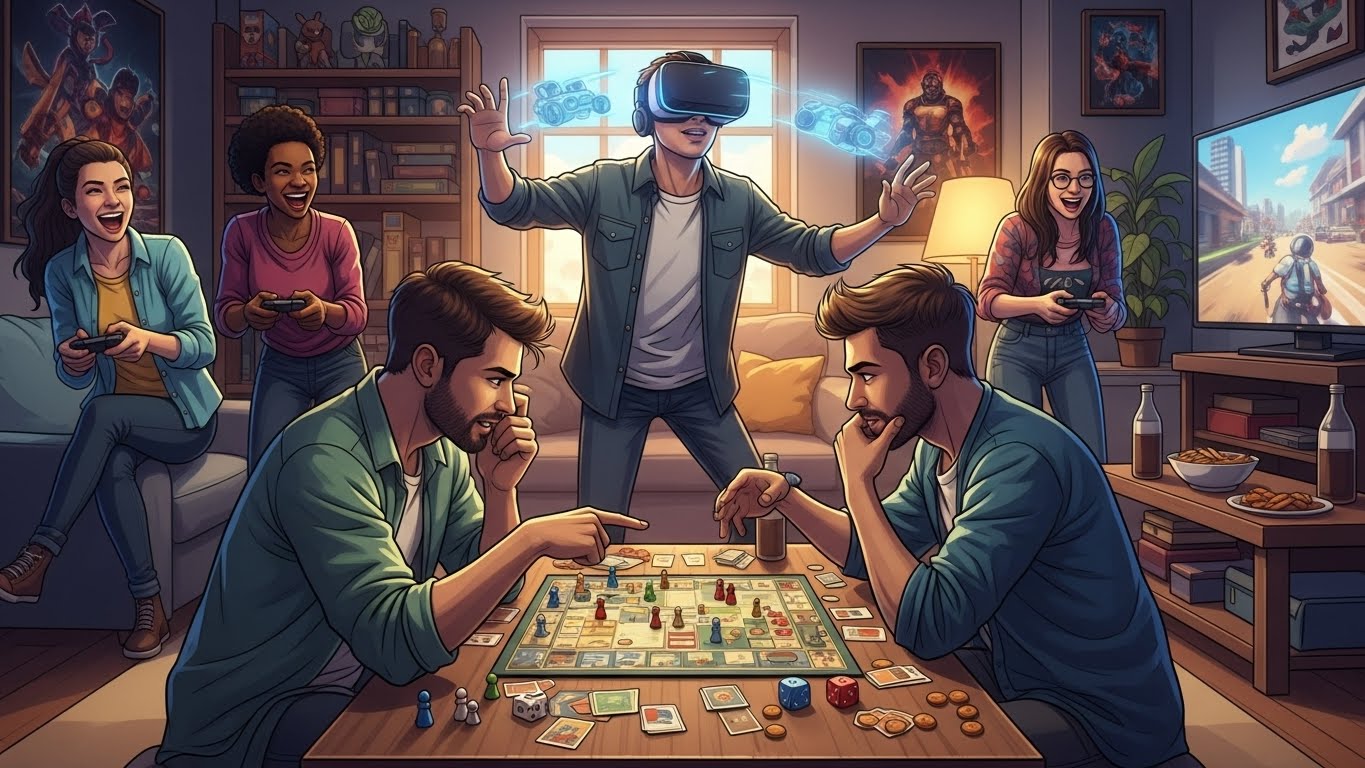
Gaming has become a major form of entertainment, attracting millions of players worldwide. As technology advances, so does the creativity and diversity within the gaming industry. While many games follow similar mechanics, genres, and themes, a handful stand out for their originality and unique gameplay elements. These games challenge the norms of what we expect from video games and invite players into worlds filled with novel concepts, experimental mechanics, and unforgettable experiences.
In this blog post, we will explore several of these unique games—each offering something truly different from the conventional gaming formula. Whether through innovative narratives, unconventional gameplay, or visually striking art styles, these titles represent the creative potential of the gaming world. Let’s dive into the rich variety of games that break the mold.
The Beauty of Indie Games: Small Studios with Big Ideas
Indie games have long been a breeding ground for innovation. Without the constraints of large budgets or corporate influence, independent developers often have the freedom to experiment and create something unique. One standout example of this is “Hollow Knight”. Developed by Team Cherry, this action-adventure game takes place in a beautifully haunting world filled with intricate platforming, challenging combat, and a deep, atmospheric narrative. What sets “Hollow Knight” apart from other games in the genre is its exploration of a dark, interconnected world without relying on hand-holding. Players must discover the story through environmental clues and subtle interactions, making every discovery feel earned.
Another indie gem, “Celeste”, takes a different approach by combining tight platforming mechanics with an emotionally charged narrative. The game focuses on a young woman named Madeline as she climbs a mountain, both literally and metaphorically. The game’s difficulty is balanced by its emotional depth, making it one of the most impactful indie titles of the past decade. “Celeste” shows how indie developers can create unique gameplay experiences that blend mechanics and story in unexpected ways.
Narrative-Driven Experiences: Games that Tell Stories in Innovative Ways
Narrative-driven games are often associated with branching stories or pre-written dialogue choices. However, some games take this concept a step further by integrating their storylines into the very fabric of gameplay. “What Remains of Edith Finch” is an excellent example of this. Developed by Giant Sparrow, this game challenges traditional narrative structures by presenting a series of short stories, each tied to the life of a deceased family member. The stories unfold in an immersive first-person perspective, with each chapter featuring unique gameplay mechanics to reflect the character’s personality or fate. This experimental approach makes every story feel distinct, and the emotional impact is felt more deeply because of how the gameplay intersects with the narrative.
“The Stanley Parable” is another fascinating example of a narrative-driven game with an unconventional structure. The game presents itself as a seemingly simple walking simulator, where you follow the protagonist, Stanley, as he explores an empty office building. However, the game’s brilliance lies in its ability to subvert expectations and offer endless variations of the story, depending on the choices you make (or don’t make). “The Stanley Parable” encourages players to question the very nature of choice and free will in video games, making it a thought-provoking experience that is unlike any other.
The Art of Worldbuilding: Games that Create Entire Universes
Worldbuilding is one of the most important elements of any game, but some titles go above and beyond, crafting entire universes that feel alive and rich with history. “The Elder Scrolls V: Skyrim” and “The Witcher 3: Wild Hunt” are often mentioned when it comes to expansive worlds, but a lesser-known gem that stands out in this category is “Outer Worlds”. Developed by Obsidian Entertainment, this sci-fi RPG transports players to an alternate universe where mega-corporations rule the galaxy. The game’s satirical tone and rich narrative are enhanced by its uniquely dystopian setting, where capitalism runs amok and corporate interests govern everything from space travel to human existence.
The world of “Outer Worlds” is full of quirky characters, engaging side quests, and fascinating locations that all contribute to a larger narrative about the dangers of unchecked corporate power. The game’s art direction, world design, and storytelling come together in a way that feels both familiar and fresh, making it an excellent example of how a well-crafted universe can set a game apart from others in the genre.
Mechanics that Defy Convention: Breaking the Mold of Gameplay
While story and worldbuilding are critical to many games, gameplay mechanics can often be the most defining feature of a truly unique game. “Portal”, developed by Valve, is one such game that redefined how players engage with the game world. With its simple yet brilliant portal mechanics, the game challenges players to think creatively about the space around them. By using a portal gun to create interconnected portals, players can manipulate the environment in ways that were never before possible in a first-person puzzle game. “Portal” not only offers an innovative mechanic but also uses it to tell a darkly comedic story, making it a perfect example of how unique gameplay mechanics can elevate the overall experience.
Another game that turns conventional mechanics on their head is “Katamari Damacy”. Released in 2004 by Namco, this quirky game tasks players with rolling a sticky ball (the Katamari) around various environments to collect objects. The more items you collect, the bigger your ball gets, allowing you to roll up even larger objects. Its absurd premise and eccentric art style immediately set it apart from traditional puzzle or action games. However, the real genius of “Katamari Damacy” lies in its unorthodox mechanics, which turn the simple act of collecting into a fun and addictive process. The game’s innovative gameplay is paired with a memorable soundtrack and a lighthearted narrative, making it a true standout in the world of unique games.
Experimental Art and Aesthetics: Games that Redefine Visual Style
Visual aesthetics play a huge role in the appeal of a game, but certain titles go beyond mere style to create something that feels entirely fresh and new. “Gris”, developed by Nomada Studio, is a striking example of this. This platformer tells the story of a young woman navigating a world that is emotionally charged with grief and sorrow. The game’s hand-painted artwork, fluid animations, and use of color convey the protagonist’s emotional journey in ways that few games can replicate. The game’s minimalist gameplay mechanics allow the visual narrative to take center stage, giving players a unique, meditative experience.
Another game that experiments with visual storytelling is “Hyper Light Drifter”. This action-RPG combines pixel art with a futuristic aesthetic to create a world that feels both nostalgic and futuristic at the same time. The game’s combat and exploration are complemented by a stunning visual design that conveys a rich, mysterious world, all without the use of dialogue. Its striking use of colors and abstract art conveys emotions and themes that might otherwise be lost in traditional storytelling. “Hyper Light Drifter” is a perfect example of how visual design can be used not just as an ornament, but as an integral part of the storytelling process.
Sound Design and Music: The Unseen Heroes of Unique Games
Sound and music are often overlooked aspects of game design, but they can be incredibly powerful in shaping a player’s experience. “Journey”, developed by Thatgamecompany, is a prime example of how music and sound design can elevate the uniqueness of a game. This multiplayer online adventure takes players through vast desert landscapes, where the focus is on exploration, movement, and interaction. The game’s ambient soundtrack, composed by Austin Wintory, beautifully complements the visual design, helping to immerse players in its emotionally charged world. The music shifts and changes in response to the player’s actions, creating a dynamic and deeply personal experience.
Similarly, “Braid”, a puzzle-platformer by Jonathan Blow, uses both sound and music to enhance its time-manipulation mechanics. The soundtrack’s soothing melodies reflect the game’s contemplative tone, while the sound effects and auditory cues subtly reinforce the game’s themes of regret and second chances. The marriage of gameplay and sound in “Braid” exemplifies how sound design can be used creatively to complement the visual and narrative elements of a game.
Conclusion: A Bright Future for Unique Games
The gaming industry continues to evolve, and with it, the boundaries of creativity are constantly being pushed. From innovative mechanics to emotionally resonant stories, these unique games highlight the power of imagination and innovation in video game development. Whether you are looking for an adventure that challenges your thinking, a world that invites you to explore every corner, or a gameplay experience that offers something entirely new, these games have something to offer.
As we look to the future, one thing is clear: the realm of video games is far from being fully explored. With new technologies, creative minds, and artistic visions constantly reshaping the industry, there is no limit to the kinds of unique gaming experiences we will see in the years to come. For players, this means one thing: a thrilling, ever-expanding universe of games to discover.
About the Author