
Introduction
Games have been a central part of human culture for centuries, serving as entertainment, education, and social bonding. From ancient board games to modern video games and mobile apps, they provide a way for people to challenge themselves, interact with others, and explore creativity. Beyond mere recreation, games influence technology, culture, and human development, making them a significant part of modern life. This blog examines the history, evolution, social impact, psychological benefits, and technological advancements of games, exploring why they continue to captivate audiences worldwide.
The Origins of Games
Games have existed since the dawn of civilization. Ancient societies used games not only for amusement but also to teach strategy, planning, and social skills. In Egypt, the game of Senet dates back over 5,000 years, while Go emerged in China as a sophisticated strategy game, and Mancala spread across Africa as a tool for counting and planning.
These early games reflected cultural values and societal norms. They were more than leisure activities; they were instruments for learning, socialization, and even ritual. Their continued influence is evident in many modern games that retain strategic and educational elements.
The Rise of Video Games
The 20th century saw the rise of electronic and video games, transforming the landscape of play. Arcade games in the 1970s and 1980s, such as Pong and Pac-Man, captivated audiences with their interactive and competitive gameplay. Home consoles like the Nintendo Entertainment System and Sega Genesis brought gaming into households, creating a generation of players and embedding games in popular culture.
Video games evolved from simple, pixelated designs to complex, immersive worlds. Story-driven games like The Legend of Zelda, Final Fantasy, and Super Mario Bros. became cultural icons, while competitive games like Street Fighter and Counter-Strike laid the foundation for esports. Today, video games are a global industry, combining storytelling, strategy, and interactive experiences to engage millions of players.
Board Games and Traditional Play
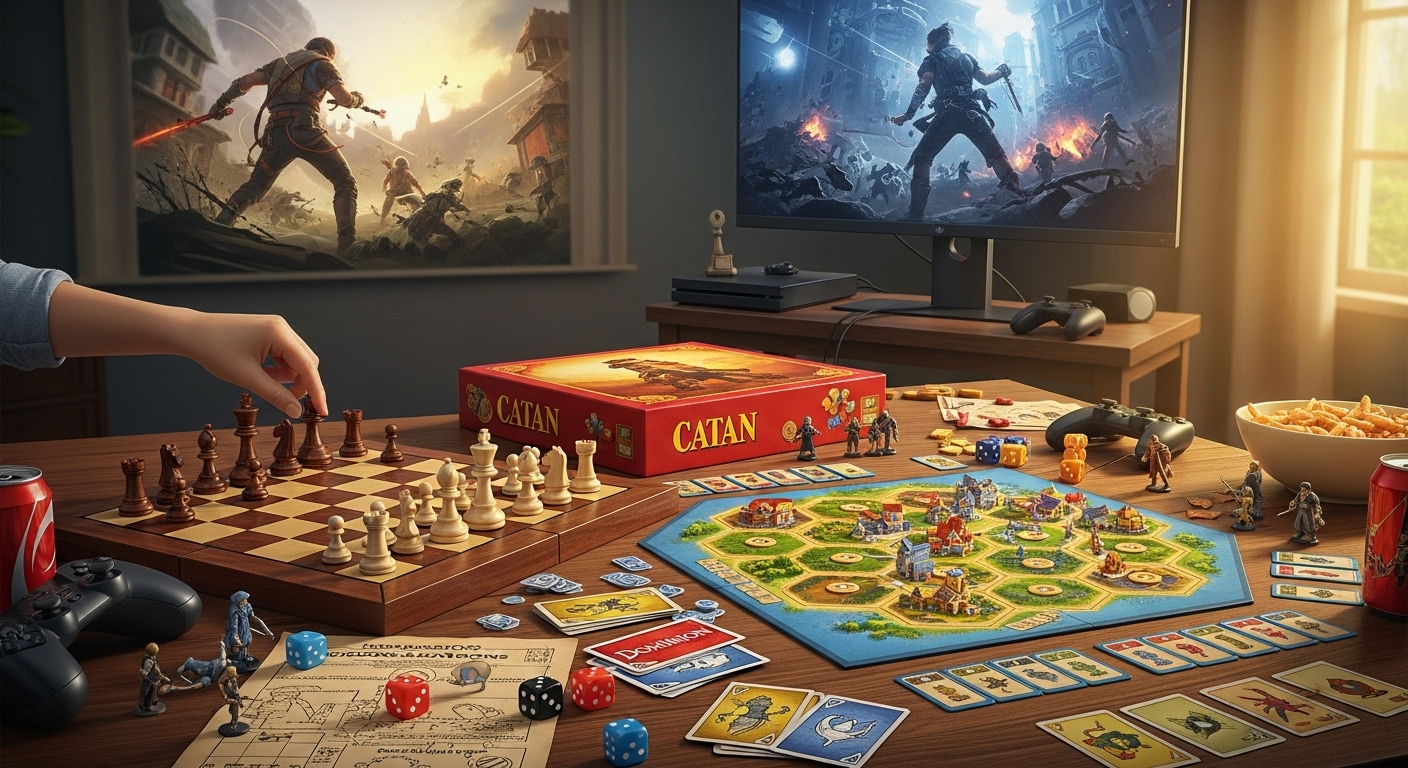
Despite the dominance of digital gaming, traditional board games continue to thrive. Games like Chess, Monopoly, Scrabble, and Settlers of Catan provide strategic challenges and social interaction that digital games cannot fully replicate. Board games encourage communication, negotiation, and critical thinking while fostering face-to-face connections.
Traditional outdoor games like tag, hide-and-seek, and sports-based activities remain relevant as tools for physical exercise, teamwork, and creativity. These games highlight the timeless nature of play and its ability to teach essential life skills.
The Educational Benefits of Games
Games are more than entertainment; they are valuable educational tools. Educational games can teach mathematics, language, history, and science in an engaging way. Puzzle and strategy games enhance cognitive skills such as problem-solving, critical thinking, and decision-making. Simulation games allow players to experiment with scenarios, fostering creativity and strategic planning.
Video games can also build emotional intelligence. Games often require players to make ethical choices, collaborate with others, and respond to dynamic challenges. These experiences help develop empathy, adaptability, and leadership skills, illustrating the multifaceted learning potential of games.
Psychological Benefits of Gaming
Games have significant psychological benefits. They provide a safe environment to face challenges, make decisions, and experience consequences. The process of overcoming obstacles and achieving goals releases dopamine, creating feelings of satisfaction and motivation.
Gaming also serves as a form of escapism, allowing players to immerse themselves in alternate realities. This immersion can reduce stress, boost creativity, and enhance focus. Multiplayer games foster social connections, cooperation, and healthy competition, all of which contribute to emotional well-being. Well-designed games balance difficulty and reward, promoting engagement and a state of flow where players are fully absorbed.
The Social Dimension of Games
Games are inherently social. Multiplayer video games, online platforms, and esports tournaments create communities where players collaborate, compete, and share experiences. Gaming communities provide a sense of belonging and social support, connecting people across geographic and cultural boundaries.
Even single-player games often include social elements such as achievements, online leaderboards, and forums where players can discuss strategies. Board games and tabletop games encourage direct social interaction, negotiation, and teamwork. Across formats, games help build relationships, foster cooperation, and strengthen community ties.
Technological Advancements in Gaming
Technology has dramatically shaped the evolution of games. Early video games featured simple graphics, but modern games boast photorealistic visuals, dynamic worlds, and complex artificial intelligence. Virtual reality and augmented reality offer immersive experiences that allow players to interact with digital environments in innovative ways.
Mobile gaming has made play accessible anytime and anywhere, while cloud gaming provides high-quality experiences without the need for expensive hardware. Artificial intelligence is used to create adaptive opponents, personalized gameplay, and realistic simulations. These technological innovations expand the possibilities of games, enhancing entertainment, learning, and social interaction.
Games as Cultural Artifacts
Games are more than leisure activities; they reflect the culture, values, and creativity of the societies that produce them. They tell stories, explore social themes, and offer platforms for artistic expression. Video games combine visual art, music, narrative, and interactivity, creating multidisciplinary experiences that resonate culturally.
Games also foster cross-cultural understanding. Players engage with characters, stories, and environments inspired by different traditions, promoting empathy and curiosity. The global popularity of gaming demonstrates its ability to transcend borders and create shared cultural experiences.
The Economic Impact of Games
The gaming industry is a major economic force. Video games, mobile apps, board games, and esports generate billions in revenue worldwide each year. The industry provides employment in development, design, marketing, publishing, and content creation.
Esports and live streaming have created new career opportunities for professional players, commentators, and influencers. The economic influence of gaming extends beyond direct revenue, driving technological innovation and digital infrastructure development. The industry’s success reflects the growing demand for interactive and immersive entertainment.
Emerging Trends in Gaming
Gaming continues to evolve with technological innovation and changing consumer preferences. Virtual reality, augmented reality, and cloud gaming are reshaping the landscape, offering immersive and accessible experiences. Artificial intelligence enables adaptive gameplay, personalized challenges, and enhanced customer support.
Esports is a growing segment that combines competitive gaming with entertainment, attracting global audiences and sponsorships. Mobile gaming continues to expand, providing convenient access to high-quality experiences. These trends indicate that the gaming industry will continue to innovate and grow, appealing to both casual and dedicated players.
The Future of Games
The future of gaming promises deeper immersion, inclusivity, and interactivity. Virtual and augmented reality will allow players to explore digital worlds in unprecedented ways. Artificial intelligence will create dynamic challenges and personalized experiences. Mobile and cloud platforms will democratize access, enabling more people to participate regardless of hardware limitations.
Games will continue to blend entertainment, education, and social interaction, offering experiences that are both enjoyable and meaningful. As technology evolves, games will remain central to culture, learning, and human connection, providing creative and engaging avenues for play across generations.
Conclusion
Games are far more than a source of leisure. They are cultural, educational, social, and economic phenomena that shape human experiences. From ancient board games to cutting-edge virtual reality experiences, games engage the mind, foster relationships, and promote creativity. They teach strategy, problem-solving, and critical thinking while providing emotional and social benefits.
In a digital age, games have become central to entertainment and culture, connecting people, driving technological innovation, and offering opportunities for learning and growth. The evolution of games demonstrates their lasting value and adaptability, ensuring that play will remain a vital part of human life for generations to come.
About the Author