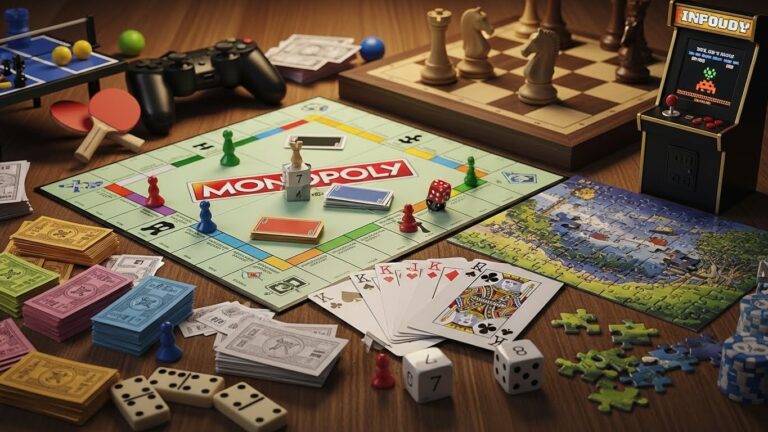
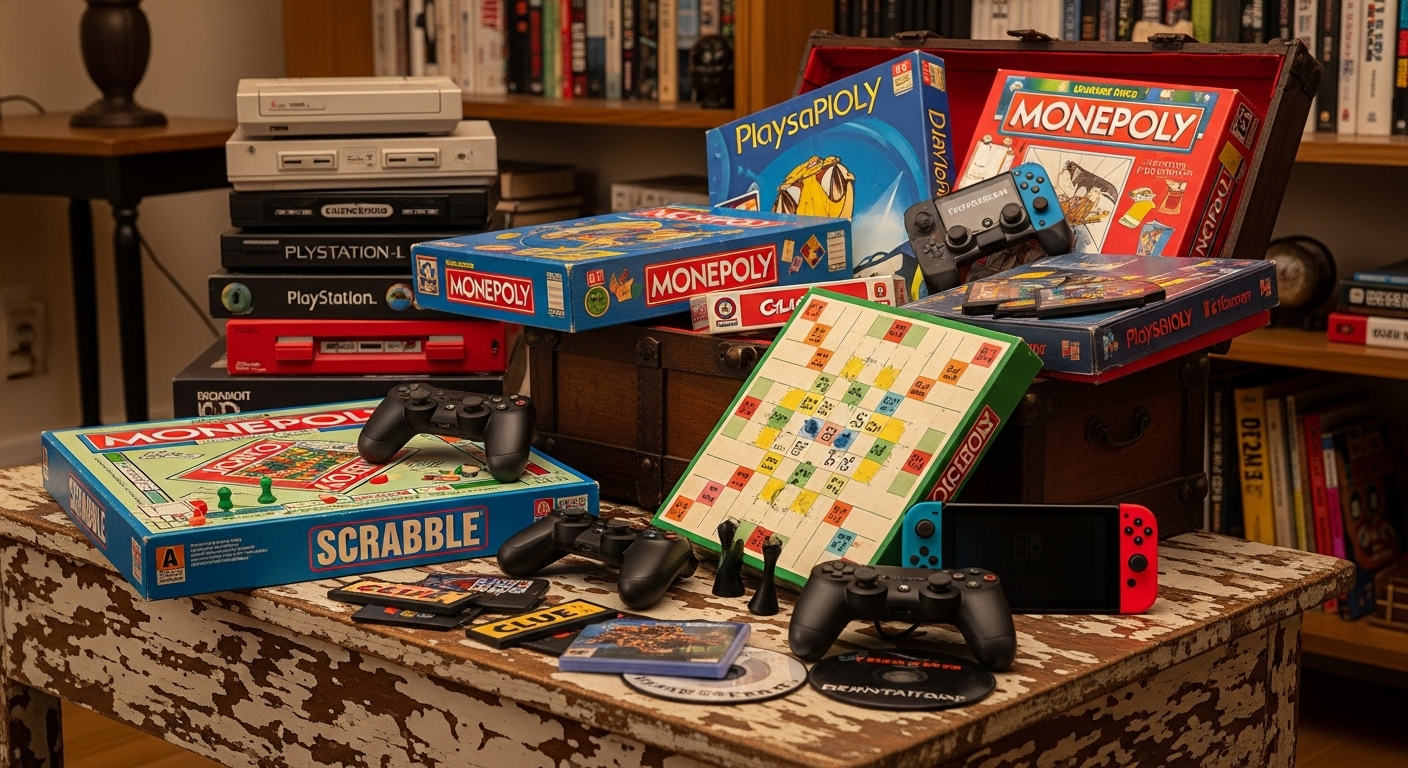
The world of games, both digital and physical, has evolved into a multifaceted cultural phenomenon that has reshaped entertainment, education, and even social interaction. Whether it’s a fast-paced video game, a competitive board game, or a casual mobile app, games have become a significant part of modern life. For decades, gaming has been a favorite pastime for individuals of all ages, offering immersive experiences, social connections, and intellectual challenges. But as technology advances and gaming genres expand, the industry continues to shift, opening new doors for exploration and creativity.
In this blog post, we’ll delve into the diverse world of games, tracing their history, examining the different types of games available today, and considering the broader impact of gaming on society. From traditional tabletop games to the cutting-edge world of virtual reality (VR) and esports, gaming is a cultural force that continues to evolve and shape the way we experience entertainment.
The Origins of Gaming: From Physical to Digital
The history of games is as old as human civilization. Games have existed in various forms for thousands of years, often serving as a means of social interaction, skill development, and entertainment. Early examples of games include board games like Senet in ancient Egypt and the classic Royal Game of Ur in Mesopotamia. These early games were designed to test strategy, luck, and decision-making, much like many games today.
However, it was the invention of modern board games and card games during the 19th century that set the stage for the more complex gaming experiences of the 20th century. Classic games like Monopoly, Chess, Go, and Scrabble became popular staples of social gatherings, laying the groundwork for the concept of competitive, structured play. As the world moved into the 20th century, the emergence of video games marked a revolutionary shift in the gaming landscape.
The first video game, Tennis for Two, was created in 1958 by physicist William Higinbotham. However, it was the release of Pong in 1972 by Atari that truly kicked off the video game revolution. In the following decades, the development of home consoles, personal computers, and arcades further propelled the gaming industry, making video games accessible to a broader audience. From the early 8-bit graphics of the 1980s to the photorealistic visuals of today’s AAA titles, the digital gaming world has come a long way in just a few decades.
The Diverse Landscape of Modern Gaming
Today, gaming encompasses a wide variety of genres and platforms, each appealing to different interests, skill levels, and demographics. Let’s explore the major types of games that dominate the market today.
Video Games: The Backbone of Modern Gaming
Video games have become synonymous with gaming in the digital age. From console games to PC games and mobile apps, the video game industry has exploded into a multi-billion-dollar global market. There are countless genres within the realm of video games, each offering unique gameplay experiences.
Action Games
Action games are perhaps the most popular and widely recognized genre in the video game industry. These games focus on physical challenges, including hand-eye coordination, reaction time, and reflexes. Super Mario Bros., Sonic the Hedgehog, and The Legend of Zelda are iconic action-adventure games that have captured the hearts of millions. Today, action games like Grand Theft Auto V, Call of Duty, and Fortnite continue to captivate players with fast-paced gameplay and engaging narratives.
Role-Playing Games (RPGs)
Role-playing games (RPGs) are another dominant genre in modern gaming. These games allow players to assume the roles of characters in fictional worlds, often embarking on epic quests or adventures. RPGs are characterized by character development, story-driven narratives, and decision-making elements that affect the outcome of the game.
Classic RPGs like Final Fantasy, The Elder Scrolls V: Skyrim, and Chrono Trigger have left lasting impressions on the gaming world. In recent years, open-world RPGs such as The Witcher 3: Wild Hunt and Cyberpunk 2077 have set new standards for immersive, interactive storytelling and world-building.
Sports and Racing Games
Sports and racing games allow players to experience the thrill of competition, whether it’s racing cars in Need for Speed, competing in football matches in FIFA, or playing basketball in NBA 2K. These games often strive for realism, featuring lifelike graphics and simulation elements that replicate real-world sports. Whether you’re playing solo, with friends, or online against opponents from around the world, sports and racing games are a staple of modern gaming culture.
Strategy Games
Strategy games are beloved for their cerebral gameplay, requiring players to plan and think ahead. These games can be broken down into turn-based and real-time strategy games. In turn-based strategy games like Civilization and XCOM, players take turns making decisions that affect the outcome of the game. In real-time strategy games like StarCraft and Age of Empires, players must make decisions on the fly, reacting to dynamic situations as they unfold.
Strategy games often focus on resource management, territory control, and tactical combat. These games have dedicated fanbases, with esports competitions like the StarCraft World Championship and League of Legends tournaments attracting millions of viewers.
Board Games: The Timeless Classics
While digital games dominate much of the gaming industry, board games remain a popular and enduring form of entertainment. Board games often bring people together in a physical space, fostering face-to-face interaction and socialization. Some of the most iconic board games, such as Monopoly, Clue, Scrabble, and Risk, have become household names.
Recently, there has been a resurgence in interest in board games, with new and innovative titles being released every year. Games like Catan, Ticket to Ride, and Pandemic have introduced new mechanics and themes, attracting a new generation of players. Board games continue to evolve, with the rise of hybrid games that combine physical play with digital elements.
Mobile Games: Gaming on the Go
Mobile gaming has become a dominant force in the gaming industry, thanks to the widespread use of smartphones and tablets. Games like Candy Crush Saga, Clash of Clans, and Pokémon GO have brought gaming to millions of players who may not have considered themselves traditional gamers. Mobile games are accessible, easy to play in short bursts, and often free-to-play with in-app purchases.
In addition to casual games, mobile platforms also offer more complex experiences, such as role-playing games like Final Fantasy XV Pocket Edition or strategy games like Clash Royale. The mobile gaming market continues to grow, with new titles and innovations being introduced every day.
Esports: Competitive Gaming as a Spectator Sport
One of the most significant developments in recent years is the rise of esports—competitive video gaming at a professional level. Esports has grown into a global phenomenon, with players, teams, and leagues competing in games like League of Legends, Dota 2, Counter-Strike: Global Offensive, and Overwatch. Tournaments like The International and League of Legends World Championship offer multi-million-dollar prizes and attract millions of viewers worldwide.
Esports is unique in that it combines elements of traditional sports, entertainment, and digital technology. The growth of live-streaming platforms like Twitch and YouTube Gaming has allowed fans to watch their favorite players and teams in real-time, creating an entire ecosystem around competitive gaming. The rise of esports has also led to the development of college and professional leagues, scholarship programs, and a growing industry of sponsorships and endorsements.
The Impact of Gaming on Society
Games are more than just entertainment; they play a significant role in shaping culture and society. Here are some of the ways gaming has had a broader impact:
Social Interaction
Gaming has become a major social activity. Online multiplayer games allow players to connect with friends or strangers from around the world, fostering communication and collaboration. Games like World of Warcraft, Fortnite, and Minecraft provide social spaces where players can form communities, build relationships, and participate in shared experiences.
In recent years, streaming platforms like Twitch have further amplified social interaction in gaming, allowing gamers to connect with fans and followers in real time. Esports has also introduced a competitive form of social interaction, with players and teams from around the world competing for recognition and prestige.
Cognitive Benefits
Playing games, particularly strategy and puzzle games, can improve cognitive abilities such as problem-solving, spatial reasoning, and memory. Studies have shown that playing games like Tetris, Portal, and Chess can boost brain function and enhance critical thinking skills. Games that require quick reflexes and coordination, such as Call of Duty or Overwatch, can also improve reaction times and multitasking abilities.
Cultural Influence
Games have become a powerful cultural medium, influencing art, storytelling, and even fashion. Iconic video games like The Legend of Zelda, Final Fantasy, and Super Mario have established themselves as cultural touchstones, inspiring movies, television shows, books, and even music. Video game soundtracks have become popular in their own right, with composers like Nobuo Uematsu and Koji Kondo being celebrated for their contributions to gaming music.
Moreover, games have also sparked conversations about diversity and representation, with many modern games incorporating more inclusive narratives and characters from diverse backgrounds. Titles like The Last of Us Part II, Life is Strange, and Overwatch have been lauded for their portrayal of LGBTQ+ characters, women, and people of color.
About the Author