Introduction: The Power and Influence of Games
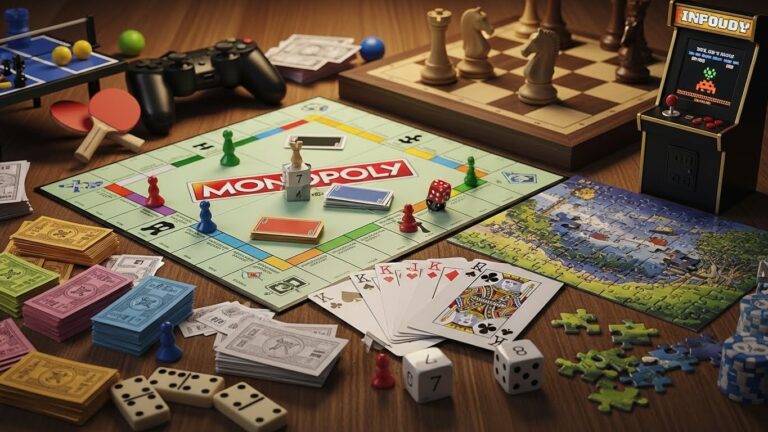
Games, whether physical or digital, have always been an integral part of human culture. From the ancient games played on dirt fields and wooden boards to the immersive, virtual experiences of modern gaming, the concept of play has transcended time and technology. What began as simple forms of entertainment has now grown into a global industry with far-reaching cultural, social, and economic impact. The gaming world today is vast and diverse, offering something for everyone, from casual mobile games to expansive, immersive virtual realities. But what makes games such a powerful force in our lives? How have they evolved, and what impact do they have on society today?
In this post, we will explore the various dimensions of the gaming world, from its humble beginnings to its current status as a multi-billion-dollar industry. We’ll also delve into the psychology behind why games captivate so many and how they have influenced modern life in ways we may not always realize.
The Evolution of Games: From Ancient Times to Digital Worlds
Games have existed in one form or another for thousands of years. The earliest recorded games date back to around 3000 BCE in ancient Mesopotamia, where games like the Royal Game of Ur were played on boards with dice. These early games were often more than just entertainment; they had cultural, spiritual, and educational significance.
As time went on, games began to evolve. The ancient Egyptians played board games like Senet, while the Greeks and Romans enjoyed dice games and early versions of sports. In the medieval period, chess and other strategic games took shape, emphasizing skill, strategy, and intellectual challenge.
The real revolution, however, came with the advent of digital technology. The 20th century saw the birth of video games, starting with simple arcade machines like Pong and Space Invaders in the 1970s. These early games were rudimentary, with basic graphics and gameplay, but they laid the foundation for what would become a cultural juggernaut.
In the 1980s and 1990s, as personal computers and gaming consoles became more powerful, the gaming world expanded exponentially. Iconic games like Super Mario Bros., The Legend of Zelda, and Final Fantasy captured the imaginations of players worldwide. The introduction of 3D graphics and the rise of multiplayer online games in the early 2000s further transformed the gaming landscape.
Today, gaming is not limited to consoles or computers. With the advent of smartphones and tablets, mobile gaming has become a dominant force in the industry. Whether it’s a quick puzzle game or an expansive RPG, mobile gaming has made it possible for people to play games anywhere, anytime.
Types of Games: A Vast and Varied Landscape
One of the most fascinating aspects of gaming is its diversity. Today’s gaming landscape is far broader than the simple “video games” that many people think of. There are games for every taste, age group, and skill level. Let’s take a look at some of the most popular categories of games today:
- Action Games: These are fast-paced games that require quick reflexes and hand-eye coordination. Examples include Call of Duty, Fortnite, and Grand Theft Auto. Action games often feature combat, exploration, and adventure.
- Role-Playing Games (RPGs): In RPGs, players assume the roles of characters within a story, often taking on quests, building skills, and exploring vast virtual worlds. Notable examples include The Elder Scrolls V: Skyrim, Final Fantasy, and The Witcher 3.
- Simulation Games: These games simulate real-world activities and environments. Popular examples include The Sims, SimCity, and Microsoft Flight Simulator. These games appeal to players who enjoy management, strategy, and creativity.
- Sports Games: These games replicate real-world sports and allow players to compete against others or the AI. FIFA, NBA 2K, and Madden NFL are examples of games that bring the excitement of sports into the virtual world.
- Strategy Games: Strategy games focus on problem-solving, tactics, and planning. Games like Civilization, StarCraft, and Age of Empires require players to think several steps ahead to outsmart their opponents.
- Puzzle Games: Simple yet engaging, puzzle games challenge the player’s brain and logic. Tetris, Candy Crush, and Portal are just a few examples of puzzle games that have captivated players for years.
- Adventure Games: Adventure games immerse players in narratives filled with puzzles, exploration, and storytelling. Classic examples include The Legend of Zelda, Monkey Island, and Uncharted.
- Casual Games: Casual games are easy to pick up and play, offering short bursts of entertainment. Mobile games like Angry Birds and Flappy Bird fit into this category, as do many online flash games.
The sheer variety of game genres ensures that everyone can find something they enjoy, whether they want to immerse themselves in an epic fantasy world or simply solve a few puzzles during their commute.
Why Do We Play Games? The Psychology Behind Gaming
The popularity of games can be attributed to a variety of psychological factors. At their core, games offer rewards and challenges, which appeal to our innate desires for achievement, competition, and mastery. The concept of “gamification” has been widely embraced in education, business, and even social media, demonstrating the powerful impact that game-like elements have on human behavior.
- The Reward System: Many games are designed around a reward structure, where players earn points, unlock levels, or acquire new abilities as they progress. This triggers the brain’s dopamine system, providing feelings of satisfaction and reinforcement. It’s no surprise, then, that games are often described as addictive, as they continuously offer new goals and rewards.
- Challenge and Mastery: Games often present challenges that players must overcome. Whether it’s defeating a tough boss, solving a complicated puzzle, or completing a difficult level, games provide a sense of accomplishment when challenges are met. This sense of mastery can be deeply satisfying and can boost confidence.
- Escapism: For many people, games offer an escape from the pressures of real life. Whether they are navigating a fantasy world, running a virtual city, or exploring space, games provide a chance to experience new realities and take on roles that are far removed from their everyday lives.
- Social Interaction: Gaming can also provide a sense of belonging and connection. Multiplayer games allow players to interact with others, whether cooperatively or competitively. Online communities and social networks around games have fostered global connections, where players share experiences, strategies, and achievements.
Games as Cultural and Social Influences
Games are more than just entertainment—they have become a powerful cultural force that influences everything from art and literature to politics and social movements. As gaming continues to grow, it is also being recognized as a legitimate form of art and expression.
- Narrative and Storytelling: Video games are increasingly seen as an art form in their own right, particularly those that feature complex, immersive narratives. Games like The Last of Us, Red Dead Redemption 2, and Bioshock have demonstrated the potential for games to tell profound, emotionally resonant stories. In this way, gaming has become a new platform for storytelling, akin to film or literature.
- Representation and Diversity: The gaming world has made strides toward greater representation of diverse characters, themes, and perspectives. More games are featuring female protagonists, characters of different ethnicities, and storylines that tackle complex issues such as mental health, social justice, and identity.
- Esports and Competitive Gaming: Competitive gaming, also known as esports, has evolved into a billion-dollar industry. Esports tournaments draw thousands of fans to arenas and millions more to online streams, with professional players competing for fame and fortune. This growing phenomenon has made gaming a legitimate career path for many.
- Cultural Impact: The impact of games on popular culture cannot be overstated. Iconic characters like Mario, Link, and Master Chief are as recognizable as film stars, and catchphrases from games have entered the public lexicon. The influence of gaming on fashion, music, and even politics continues to grow as it becomes a central part of global youth culture.
The Future of Gaming: What’s Next?
As technology continues to evolve, so too will the world of gaming. Virtual reality (VR) and augmented reality (AR) are already changing how we experience games, with fully immersive worlds offering players unprecedented levels of interaction. The rise of cloud gaming, where players can stream games directly to their devices without the need for powerful hardware, is also set to revolutionize the industry.
The development of AI in gaming holds the potential to create even more dynamic, adaptive experiences. Games will become smarter, learning from players’ behavior to offer tailored challenges and stories. The line between games and reality will continue to blur as technology advances, offering new and exciting possibilities for entertainment and interaction.
Conclusion: The Enduring Magic of Games
Games have always been a reflection of human creativity, offering a unique space where imagination, technology, and culture intersect. Whether we play for relaxation, challenge, or connection, games have become a vital part of modern life, shaping how we spend our time, think, and interact with others. As the gaming world continues to evolve, one thing is certain: the magic of games will continue to captivate and inspire generations to come.
About the Author