Introduction: The Timeless Allure of Games
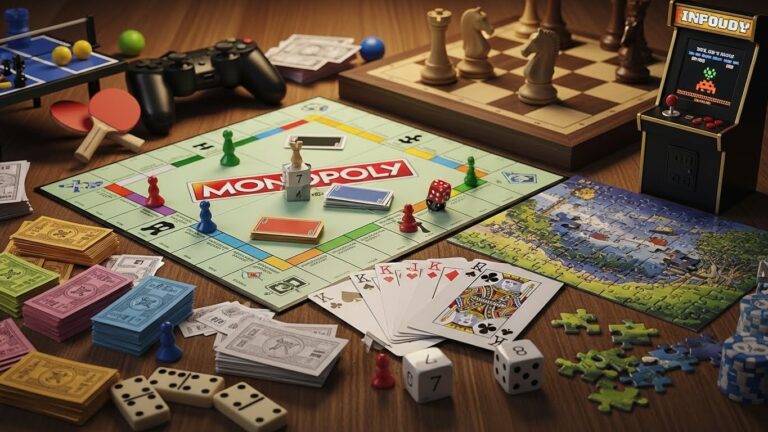
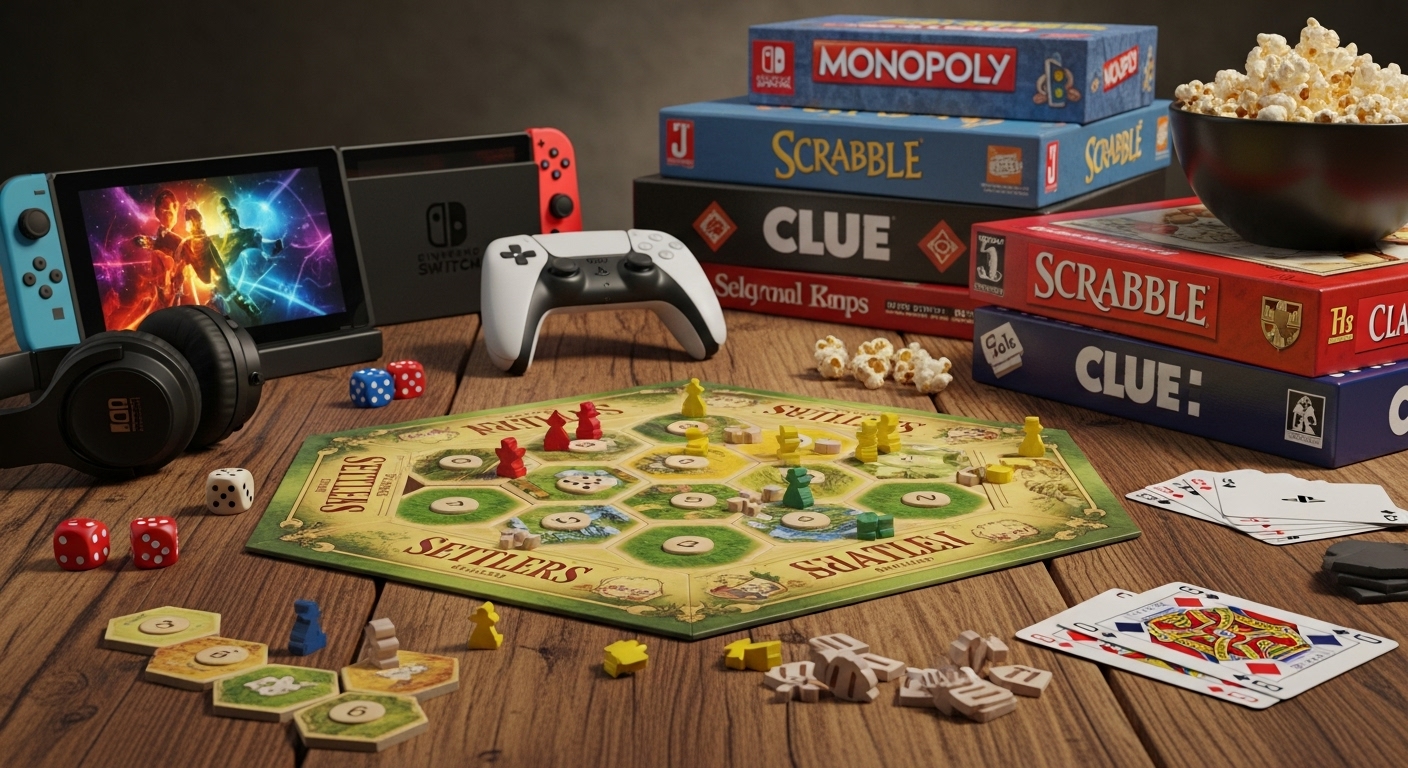
Games have always been a fundamental part of human life, from the earliest known board games in ancient civilizations to the highly advanced digital games of today. What began as simple pastimes evolved into complex systems of entertainment, competition, and even art. Games have transitioned from playing pieces made of bones and stones to becoming digital worlds filled with interactive experiences and endless possibilities. Whether they are played for entertainment, education, or competition, games provide a platform for creativity, socialization, and growth. This blog post will explore the evolution of games, their cultural significance, and their influence on our daily lives.
The Origins of Games: From Ancient Civilizations to the Digital Age
The concept of games dates back thousands of years. Ancient civilizations around the world developed games that were integral to both social and spiritual life. The oldest known board game, Senet, was played in ancient Egypt over 5,000 years ago, and the game of Go, originating in China around 2,500 years ago, is still played today. These early games were often more than mere entertainment; they had social, educational, or religious functions.
As cultures advanced, so did the complexity of games. In ancient Greece and Rome, dice games and early forms of chess became popular, emphasizing strategy and skill. By the 19th century, games such as card games, chess, and board games like Monopoly and Scrabble became household staples, and they laid the foundation for modern gaming.
The true revolution in gaming, however, came with the advent of computers and video game technology. The first video games, including Pong (1972) and Space Invaders (1978), introduced an entirely new form of interactive entertainment. These early games were simple yet groundbreaking, offering a new way for people to experience entertainment beyond the traditional mediums of film and theater.
The Rise of Digital Gaming: Pioneering the Future of Play
The late 20th century saw the birth of digital gaming, transforming the way people interacted with games. The 1980s and 1990s witnessed the rapid development of gaming consoles like the Nintendo Entertainment System (NES) and Sega Genesis, as well as the personal computer, which allowed for more complex games with greater depth and narrative.
The introduction of 3D graphics in the 1990s, along with the launch of groundbreaking titles like Super Mario 64 and The Legend of Zelda: Ocarina of Time, marked a milestone in gaming history. These games not only pushed the technological limits of the time but also revolutionized the way games were played by introducing fully immersive, open-world environments.
With the turn of the millennium, the internet ushered in a new era for gaming. Online multiplayer games, such as World of Warcraft and Counter-Strike, allowed players to connect globally, fostering a new sense of community and competition. Players could now interact with others in real-time, creating dynamic and evolving game experiences.
The Rise of Mobile Gaming: Entertainment in Your Pocket
One of the most significant shifts in the gaming landscape has been the rise of mobile gaming. With the widespread adoption of smartphones and tablets, games have become more accessible than ever before. Mobile games such as Angry Birds, Candy Crush Saga, and Pokémon GO have turned casual gaming into a massive industry, appealing to a broader demographic than ever before.
The beauty of mobile games lies in their simplicity and accessibility. Unlike traditional console or PC games that often require hours of commitment, mobile games can be played in short bursts, making them ideal for busy individuals. Mobile gaming has broken down barriers by allowing anyone with a smartphone to engage in interactive play, regardless of age or location.
Furthermore, mobile games often feature social elements, allowing players to connect with friends and share their progress or compete against each other. This social aspect has made mobile gaming a key driver of the overall gaming industry’s growth.
The Social Aspect of Gaming: Creating Communities
One of the most remarkable changes in the gaming world over the past two decades has been the emergence of gaming communities. While traditional games were often solitary pursuits or played within small social circles, modern digital games have enabled players to connect with people from all over the world.
Multiplayer games like Fortnite, League of Legends, and Apex Legends create shared virtual spaces where players can interact, form friendships, and collaborate toward common goals. These games rely on teamwork, communication, and strategic thinking, making them ideal for fostering cooperation and socialization.
Esports, or competitive video gaming, has further propelled the growth of gaming as a social activity. Esports tournaments attract millions of viewers globally, and players can earn significant earnings through sponsorships, prize money, and streaming revenue. This professionalization of gaming has allowed players to become celebrities in their own right, and gaming has transformed from a niche activity into a mainstream cultural phenomenon.
Games as an Art Form: Storytelling and Immersion
Games have increasingly become a powerful medium for storytelling and artistic expression. While early video games focused primarily on gameplay mechanics, modern games often place a heavy emphasis on narrative, world-building, and character development. Titles like The Last of Us, Red Dead Redemption 2, and The Witcher 3: Wild Hunt have been praised for their complex stories, emotional depth, and rich environments.
These games allow players to immerse themselves in detailed, fictional worlds where they can make choices that affect the outcome of the story. Unlike passive forms of entertainment like films or books, games allow players to actively engage in the narrative, providing a sense of agency and involvement that is unparalleled in other media.
Moreover, games are also recognized for their artistic elements, including visual design, music, and sound effects. The work of game designers, artists, and composers has elevated gaming to a legitimate form of art, with many games being showcased in museums and exhibitions worldwide.
The Educational Potential of Games
While games are often associated with entertainment, they also have significant educational value. Many games are designed to teach specific skills or concepts, whether it’s mathematics, history, or language. Educational games have become increasingly popular in schools and among parents who see their potential for enhancing learning through play.
Games like Minecraft, for example, promote creativity and problem-solving skills, while games like Kerbal Space Program and SimCity teach players about engineering, economics, and urban planning. These games encourage critical thinking, strategy, and experimentation, making them valuable tools for both children and adults.
In addition, serious games—games designed for training and professional development—are being used in industries ranging from healthcare to the military. These games simulate real-world situations and allow individuals to practice and refine their skills in a risk-free, virtual environment.
The Economic Impact of the Gaming Industry
The gaming industry has become one of the largest and most lucrative entertainment sectors in the world. In 2020, the global gaming market was valued at over $159 billion, surpassing both the film and music industries combined. This growth is driven by the increasing popularity of both mobile and console gaming, as well as the rise of online multiplayer games and esports.
Game development has also become a major economic driver, creating thousands of jobs in design, programming, marketing, and more. Companies like Nintendo, Sony, and Microsoft generate billions of dollars annually, and indie game developers have the opportunity to reach global audiences thanks to digital distribution platforms like Steam and the App Store.
In addition to the revenue generated from game sales, the gaming industry has created a vast ecosystem of streaming services, content creators, merchandise, and event sponsorships. Platforms like Twitch and YouTube Gaming have enabled gamers to turn their passion into a career, further fueling the economic impact of the gaming world.
The Future of Games: Virtual Reality, AI, and Beyond
The future of gaming holds exciting possibilities. The integration of virtual reality (VR) and augmented reality (AR) promises to take gaming to the next level, creating fully immersive worlds where players can interact with their environments in new and exciting ways. VR headsets like the Oculus Rift and HTC Vive already offer players the ability to step inside their favorite games, while AR games like Pokémon GO allow players to interact with digital elements in the real world.
Additionally, artificial intelligence (AI) is expected to play a larger role in gaming, creating more responsive and intelligent non-playable characters (NPCs) and enhancing the overall game experience. AI could also be used to dynamically generate game worlds, ensuring that no two gaming experiences are ever the same.
As technology advances, the potential for gaming to become an even more integral part of our daily lives is limitless. Games may continue to blend with other forms of media, creating cross-platform experiences that allow players to interact with their favorite games in entirely new ways.
Conclusion: Games as a Universal Experience
Games are no longer just a pastime—they have evolved into a central aspect of modern life. From the early days of board games to the digital wonders of the present day, games continue to captivate and challenge us in new ways. They provide entertainment, education, and a means of social connection, all while offering an immersive experience that has the power to shape culture and society.
As we look to the future, one thing is clear: games will continue to play a central role in how we live, work, and interact with the world around us. The evolution of gaming is far from over, and as technology advances, so too will the ways in which we experience and enjoy play.
About the Author