Introduction
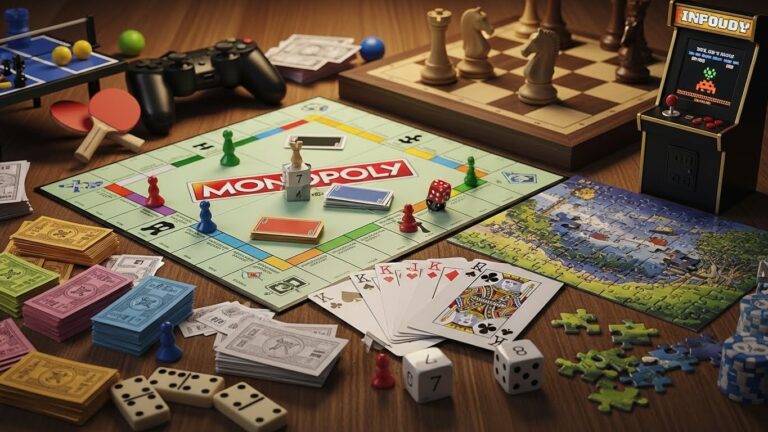
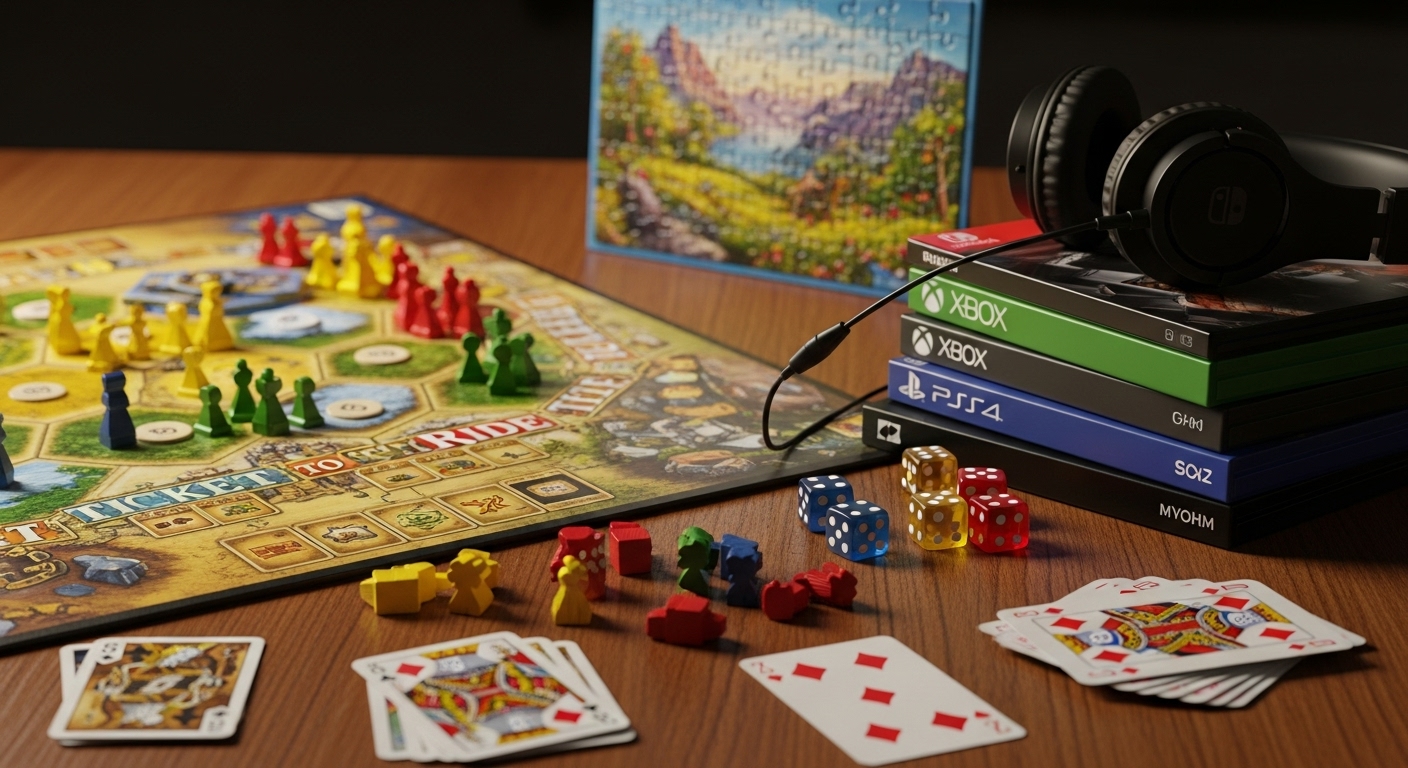
Games have always been an inseparable part of human culture. From the ancient board games carved on stones to the digital worlds filled with breathtaking visuals and stories, games continue to entertain, educate, and inspire people of all ages. They serve as a reflection of human creativity and evolution. Over time, games have transformed from simple forms of recreation into complex systems of storytelling, competition, and learning. In this blog, we will explore how games have evolved, the impact they have had on society, and why they continue to hold a powerful place in our daily lives.
The Origin of Games and Their Cultural Importance
Long before screens and consoles, games were played with stones, sticks, and imagination. Ancient civilizations like Egypt, China, and Mesopotamia had their own unique games. For instance, Senet, an Egyptian board game, dates back over five thousand years and symbolizes the journey of life and death. Similarly, Go and Chess emerged as games of strategy and intellect, teaching players patience, foresight, and discipline.
Games have always been more than entertainment; they reflect cultural values and social structures. They served as tools for teaching, practicing warfare strategies, and strengthening family bonds. The very act of playing has always brought people together, forming communities and traditions that continue through generations.
The Evolution from Physical to Digital Worlds
The twentieth century marked a revolutionary era in gaming. The invention of computers and electronic systems gave rise to video games. Early arcade titles like Pong and Pac-Man introduced a new way to experience play. These games were not only enjoyable but also social, as players competed for high scores in local arcades.
With the rise of home consoles and personal computers, gaming became more accessible. Families could now enjoy digital entertainment in their living rooms. The 8-bit and 16-bit eras introduced colorful worlds, memorable characters, and engaging stories. Games like Super Mario Bros. and The Legend of Zelda became cultural icons, symbolizing creativity and innovation.
This transition from physical games to digital ones marked a new age of imagination. It allowed developers to build entire universes, pushing the boundaries of what play could mean.
The Rise of Storytelling in Games
As technology advanced, games began to focus not just on competition but also on storytelling. Developers realized that games could be emotional journeys, just like films or novels. They started creating narratives that connected deeply with players. Titles like Final Fantasy, The Last of Us, and Red Dead Redemption showcased complex characters, moral dilemmas, and emotional depth.
Story-driven games engage players by making them active participants. Unlike movies where viewers watch a story unfold, games allow players to shape that story through their actions and choices. This interactivity gives gaming a unique power to create empathy and personal connection. It transforms storytelling into a shared experience between the creator and the player.
Games as a Tool for Learning and Growth
Beyond entertainment, games have become a powerful educational tool. They stimulate the mind, encourage problem-solving, and enhance creativity. Puzzle games sharpen analytical skills, while strategy games develop planning and resource management abilities. Educational games have been used in classrooms to teach history, science, and mathematics in more engaging ways.
Even games designed for fun often teach valuable life skills. Multiplayer games foster teamwork and communication, while simulation games teach management and decision-making. The concept of gamification—applying game design principles to non-game areas like education or fitness—has proven highly effective in motivating people to learn and achieve goals.
Games are no longer distractions from real life; they are meaningful experiences that help shape cognitive and emotional development.
The Social Connection of Games
One of the most significant impacts of modern gaming is its ability to connect people. Online games have turned playing into a social experience. Players from across the globe can interact, collaborate, and compete in real time. Whether it is teaming up with friends in an adventure or competing against rivals in a tournament, games foster global friendships and communities.
Gaming communities have grown into thriving social ecosystems. They are places where people share experiences, strategies, and stories. For many, these digital spaces provide a sense of belonging and connection that extends beyond the screen. In an increasingly digital world, games have become bridges that connect people across cultures and languages.
The Emergence of Competitive Gaming
Competitive gaming, or eSports, has become one of the fastest-growing forms of entertainment in the world. Professional players train for hours, mastering reflexes, strategies, and teamwork. Massive tournaments are now held globally, attracting millions of viewers and offering significant prize pools.
This professionalization of gaming has created new opportunities for players, commentators, and developers. eSports has proven that gaming is not just a pastime but a legitimate competitive discipline. It combines skill, strategy, and passion—just like traditional sports. The rise of eSports has also helped to break old stereotypes about gaming, showing that it can be both a career and a cultural movement.
The Psychological Benefits of Playing Games
While games are often associated with fun and relaxation, they also offer several psychological benefits. Research has shown that games can help reduce stress, improve mood, and enhance problem-solving skills. They offer a safe environment for experimentation and failure, where players can learn resilience and adaptability.
Many games are designed to challenge the mind. They encourage strategic thinking, memory retention, and quick decision-making. Cooperative games promote empathy and teamwork, teaching players the importance of communication and trust. Moreover, games can serve as a form of therapy, helping people cope with anxiety, depression, and loneliness through immersive and positive experiences.
When played responsibly, games become a form of self-expression and personal growth. They provide an escape that refreshes the mind while offering opportunities to learn and evolve.
Games as Art and Expression
Modern games are more than just entertainment—they are art. From visually stunning landscapes to powerful musical scores, every aspect of a game contributes to its artistic value. Developers use games as a medium to express ideas, emotions, and philosophies. Each element—storyline, design, and music—works together to create an experience that resonates deeply with players.
Indie games, in particular, have showcased the artistic side of gaming. Independent developers often take creative risks, exploring unconventional themes and storytelling methods. These games address subjects like love, loss, identity, and hope in ways that traditional media cannot. By combining technology and artistry, games have become one of the most expressive forms of modern creativity.
The Technological Advancements Shaping the Future of Games
Technology continues to redefine how we play and experience games. The development of realistic graphics, advanced physics engines, and artificial intelligence has made gaming worlds more immersive than ever before. Virtual Reality and Augmented Reality technologies allow players to step directly into these worlds, transforming the act of playing into a physical and emotional experience.
Cloud gaming is another innovation that is changing the landscape. It allows players to stream games without powerful hardware, making high-quality gaming accessible to everyone. Artificial intelligence now helps create smarter opponents and adaptive environments, making each gameplay session unique.
These advancements promise a future where the boundaries between reality and virtuality blur, offering endless possibilities for creativity and interaction.
The Cultural Impact of Games on Society
Games have become a reflection of society itself. They address contemporary issues, mirror cultural shifts, and influence trends in art, music, and fashion. Many games highlight environmental challenges, social justice themes, and moral choices, encouraging players to think critically about the world around them.
Moreover, gaming has contributed to a shared global culture. Iconic characters, soundtracks, and worlds are now part of everyday life. The industry also generates billions in revenue, contributing significantly to the global economy. Gaming conventions, cosplay events, and fan art have turned the medium into a celebration of creativity and community.
Games have truly become more than entertainment—they are part of the cultural fabric that shapes how we see and interact with the world.
The Future of Games: Infinite Possibilities
The future of games is bright and limitless. As technology evolves, so will the way we play and experience stories. The rise of artificial intelligence will create more dynamic and adaptive games that respond to player emotions and behavior. Virtual Reality and Augmented Reality will continue to expand, offering experiences that blur the lines between real and virtual.
Additionally, the concept of the metaverse—shared digital universes—will redefine social and interactive gaming. Players will not just play games but live within them, working, learning, and socializing in virtual environments. The fusion of gaming with education, business, and art will unlock new possibilities for creativity and innovation.
The evolution of gaming reflects humanity’s endless desire to explore, imagine, and connect. Games will continue to evolve as technology advances, shaping the way future generations interact with the world.
Conclusion
Games have traveled a long journey from ancient stones to digital realms. They have evolved into powerful mediums that entertain, educate, and inspire millions. They teach us teamwork, creativity, and resilience while providing a space to escape, dream, and connect. As technology advances, games will continue to expand their influence, shaping not only entertainment but also how we think, learn, and live.
In essence, games are not just about winning or losing—they are about experiencing the boundless power of imagination. They remind us that play is not just for children but a fundamental part of what makes us human. Whether ancient or digital, simple or complex, games will always remain a celebration of creativity, connection, and the joy of discovery.
About the Author