Introduction to the World of Games
Games have been a part of human civilization since the earliest days of storytelling and competition. Whether carved into the sand, drawn on parchment, or programmed into computer chips, games have always reflected our imagination, our desire to compete, and our need for connection. The world of games is vast, spanning from the simplest forms like hide-and-seek and tic-tac-toe to complex digital worlds with intricate systems, storylines, and communities. Understanding games means looking into the heart of human creativity and curiosity. They are more than mere distractions; they are powerful tools for learning, bonding, and even self-discovery.
The Ancient Roots of Gaming
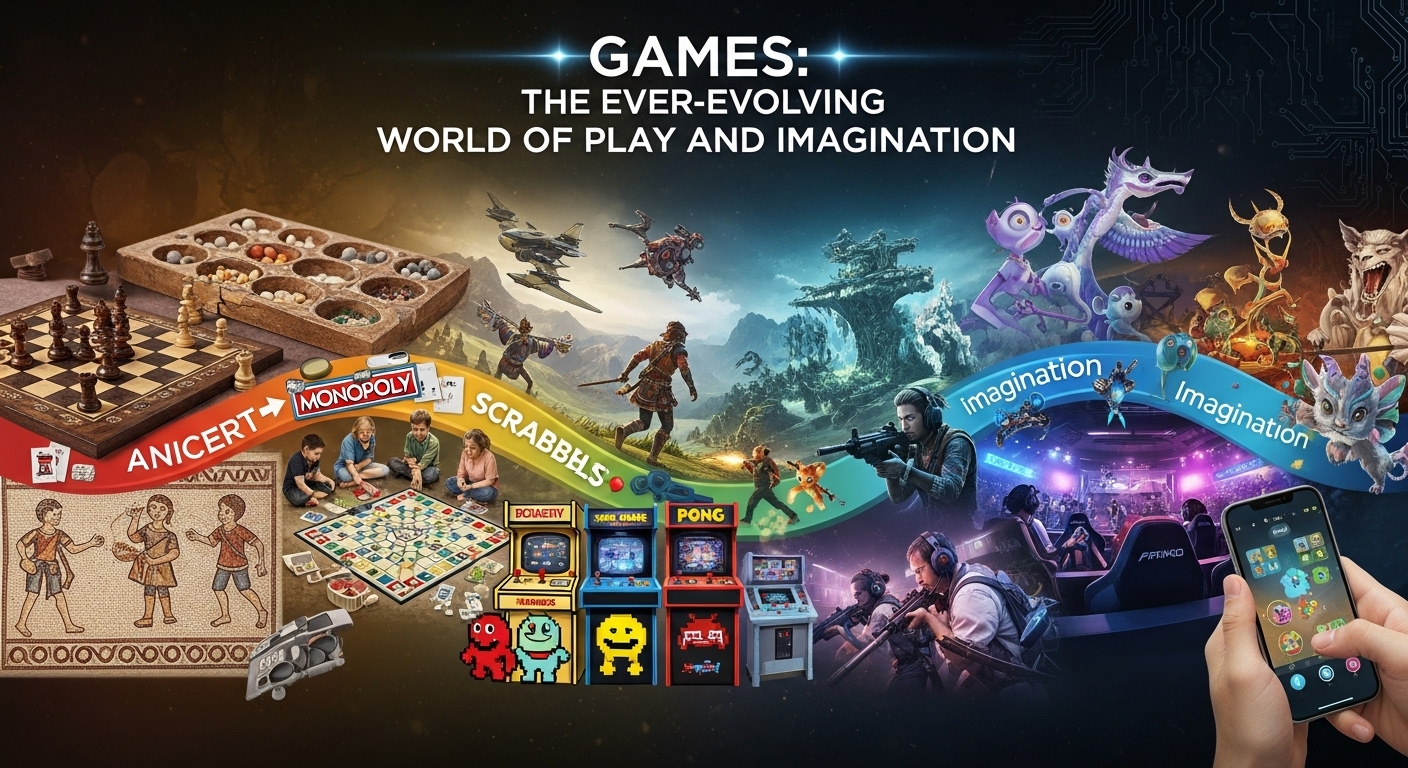
Before the age of technology, games were simple but deeply meaningful. Ancient civilizations created games not only for entertainment but also for social and spiritual purposes. The Egyptians played Senet, a board game that was believed to mirror the journey of the soul to the afterlife. The Chinese developed Go, a strategic game that continues to be played today and is admired for its depth and complexity. Native American tribes played games that involved skill, balance, and endurance, often tied to rituals and community events. These ancient games show how human beings have always found joy in structured play, in testing their wits or strength against others, and in creating rules that make sense of chaos.
The Evolution of Traditional Games
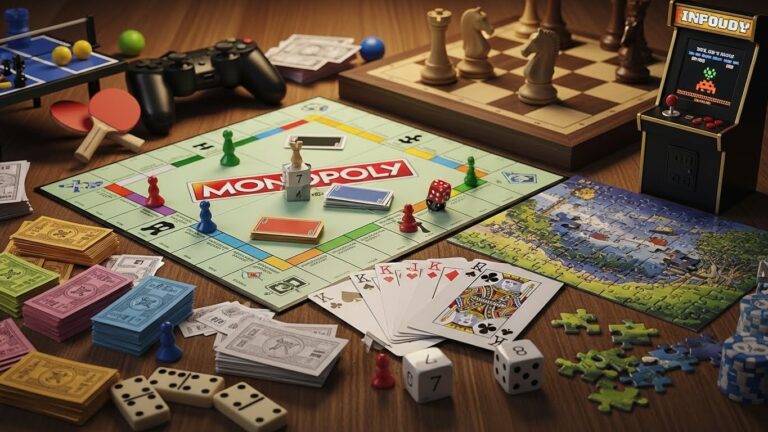
As societies developed, games evolved too. In medieval Europe, chess became the game of kings and thinkers, symbolizing power, war, and intellect. Card games spread across continents, becoming a favorite pastime in taverns, palaces, and family homes. With the industrial revolution, mass production allowed games like Monopoly, Scrabble, and checkers to reach millions of people. Board games in the 19th and 20th centuries became not only a source of entertainment but also a reflection of the culture of the time. Monopoly, for example, captured the spirit of capitalism and competition, while Clue reflected fascination with mystery and logic. Each game carried a piece of its era within its design and rules.
The Birth of Video Games
The 20th century marked the beginning of a revolution that would change gaming forever: the birth of video games. In the 1950s and 60s, scientists and programmers created simple electronic games such as “Tennis for Two” and “Spacewar!” These early experiments laid the groundwork for the first generation of arcade and home console games. By the 1970s, video games had moved from research labs to living rooms and arcades. Games like Pong, Pac-Man, and Space Invaders introduced millions of people to digital entertainment. It was a new form of play—one that combined technology, art, and imagination.
The Golden Age of Arcade Games
The late 1970s and 1980s are often remembered as the golden age of arcade gaming. Neon lights, flashing screens, and the rhythmic sounds of coin machines defined a generation of gamers. Arcades became social hubs where friends gathered to compete for high scores. Classics like Donkey Kong, Galaga, and Street Fighter II became cultural icons. These games required skill, reflexes, and perseverance. They rewarded mastery and patience, qualities that continue to be celebrated in gaming culture today. The arcade experience was unique—standing shoulder to shoulder with others, watching each move, learning from mistakes, and celebrating victories together.
The Rise of Home Consoles
As technology improved, the desire to bring the arcade experience home grew. Companies like Nintendo, Sega, and later Sony and Microsoft changed the gaming landscape forever. The Nintendo Entertainment System (NES) in the 1980s revived the home gaming market after an earlier crash, bringing with it characters like Mario, Link, and Samus who would become legends. Sega introduced Sonic the Hedgehog, a mascot that represented speed and attitude. Sony’s PlayStation brought cinematic storytelling and 3D graphics, while Microsoft’s Xbox introduced online multiplayer gaming to a mainstream audience. These consoles didn’t just entertain—they defined eras of pop culture, influencing music, fashion, and even language.
The Expansion of PC Gaming
While consoles ruled the living room, the personal computer became a different kind of gaming kingdom. PC gaming allowed for experimentation, creativity, and depth. Titles like Doom, Warcraft, and The Sims showcased what computers could do. Strategy games, simulation games, and role-playing games thrived on PC platforms because they offered complex systems and endless replayability. Moreover, modding communities began to flourish, allowing players to alter and expand their favorite games. This creativity gave rise to entire genres and independent developers who would later shape the future of gaming.
The Modern Gaming Era
Today’s gaming industry is more diverse and expansive than ever. Games are no longer limited to a single device or audience. From smartphones to virtual reality headsets, gaming has become accessible to nearly everyone. Modern titles like The Legend of Zelda: Breath of the Wild, Fortnite, Minecraft, and Elden Ring represent the vast range of what games can be—open worlds, competitive arenas, creative sandboxes, and artistic adventures. The boundaries between player and creator are blurrier than ever, with user-generated content becoming a major force in the industry. Players build, share, and even sell their own game creations.
The Power of Storytelling in Games
Games today tell stories that rival those found in movies and literature. Titles like The Last of Us, Red Dead Redemption 2, and God of War explore deep human emotions—love, loss, redemption, and sacrifice. These aren’t just games; they’re interactive experiences that invite players to live through characters’ struggles and choices. Story-driven games have elevated the medium into an art form. They combine music, dialogue, visual design, and interactivity to create moments that feel deeply personal. A player’s decision can change the outcome of the story, creating a sense of ownership that no other medium can replicate.
Online Gaming and the Rise of Communities
One of the most significant changes in modern gaming is the shift toward online play. The internet transformed games from solo experiences into global communities. Players can now team up with friends from across the world, join massive multiplayer battles, or compete in professional esports tournaments. Games like League of Legends, Counter-Strike, and Dota 2 have built competitive ecosystems worth millions of dollars. Streaming platforms have turned gamers into celebrities, with audiences watching others play just as passionately as they would watch sports or movies. This sense of connection and community has redefined what it means to be a gamer.
The Mobile Gaming Revolution
When smartphones entered the scene, they opened gaming to an entirely new audience. Suddenly, anyone with a phone could play. Mobile games like Angry Birds, Candy Crush, and Clash of Clans became cultural phenomena. Unlike traditional gaming, mobile games are often designed for short bursts of play, making them perfect for busy lifestyles. Yet they have evolved far beyond casual fun. Titles like Genshin Impact and Call of Duty Mobile show how mobile platforms can deliver console-quality experiences. The convenience and accessibility of mobile gaming have made it one of the largest segments in the industry.
Virtual Reality and the Future of Immersive Play
Virtual reality, once a science fiction dream, is now a tangible part of gaming. Devices like Oculus Quest and PlayStation VR allow players to step inside the game world, experiencing it from a first-person perspective. VR games are not just about visuals; they engage the body, senses, and mind. Whether exploring alien landscapes, solving puzzles, or practicing meditation, VR offers a level of immersion unmatched by traditional screens. As technology continues to advance, augmented reality (AR) and mixed reality could further blur the line between real and virtual worlds.
The Influence of Indie Games
In the shadow of big-budget blockbusters, independent developers have created some of the most innovative games of recent years. Indie titles often focus on creativity, emotion, and experimentation rather than flashy graphics. Games like Celeste, Undertale, and Hades prove that heartfelt storytelling and clever design can shine without massive resources. These games often explore personal themes—mental health, identity, loss, hope—and connect with players on a deeper level. Indie developers remind the world that gaming is not only a business but also a powerful art form.
Esports and Professional Gaming
What was once considered a pastime has now evolved into a professional sport. Esports tournaments attract millions of viewers and offer huge prize pools. Players train like athletes, practicing strategies, teamwork, and reflexes. Games like Fortnite, Valorant, and Overwatch have competitive leagues supported by major sponsors and media coverage. Esports has become a legitimate career path for many, including players, coaches, commentators, and content creators. It has also brought gaming into mainstream recognition, showing that skill and dedication in virtual arenas can be just as demanding as physical sports.
The Social and Psychological Impact of Games
Games are often misunderstood as simple distractions, but studies have shown that they can have profound effects on the mind. Strategic games enhance problem-solving skills, while cooperative games improve communication and teamwork. Role-playing games foster empathy by allowing players to see the world from different perspectives. However, like all powerful tools, games must be enjoyed in balance. Excessive gaming can lead to addiction or social isolation, but responsible play can promote learning, creativity, and relaxation. In education, gamification is being used to make learning more engaging and interactive.
The Role of Games in Culture and Art
Games are not just entertainment—they are cultural artifacts. They reflect society’s hopes, fears, and dreams. Just as films and books can provoke thought, games can challenge players’ morals and beliefs. Titles like Bioshock and Spec Ops: The Line question the nature of control and violence, while games like Journey and Gris use visuals and music to convey emotion without words. Museums now exhibit video games as works of art, recognizing their impact on design, storytelling, and technology. The blending of art and gameplay continues to push creative boundaries.
The Business of Gaming
The gaming industry is one of the most profitable entertainment sectors in the world. From billion-dollar franchises to small indie successes, the economic power of games cannot be ignored. Developers, publishers, marketers, and hardware manufacturers all play a role in shaping the industry. The introduction of digital distribution has made it easier than ever for creators to reach audiences directly. Subscription services and cloud gaming platforms are changing how players access content. The business model of gaming continues to evolve, balancing creativity with profitability.
The Future of Games
What lies ahead for the world of games? The future looks exciting and unpredictable. Artificial intelligence, cloud computing, and virtual worlds are shaping new possibilities. Games may soon become even more personalized, learning from a player’s behavior to create unique experiences. The rise of the metaverse—a shared virtual space where users can play, work, and socialize—hints at a new era where gaming merges with daily life. As technology continues to progress, one thing remains constant: the human love for play. Whether it’s a child playing tag or an adult exploring a virtual galaxy, the spirit of gaming endures.
Conclusion: Why Games Matter
Games are more than pixels or pieces on a board. They are stories, challenges, lessons, and connections. They bring people together, bridge cultures, and inspire creativity. Through play, we learn not just about the world but about ourselves—our patience, our curiosity, our resilience. As long as humans exist, the urge to play will remain a vital part of who we are. The world of games, in all its forms, continues to evolve, reflecting the endless imagination of humankind. From ancient stones to digital realms, the language of play speaks across generations. And in that language, we find joy, meaning, and unity.
About the Author