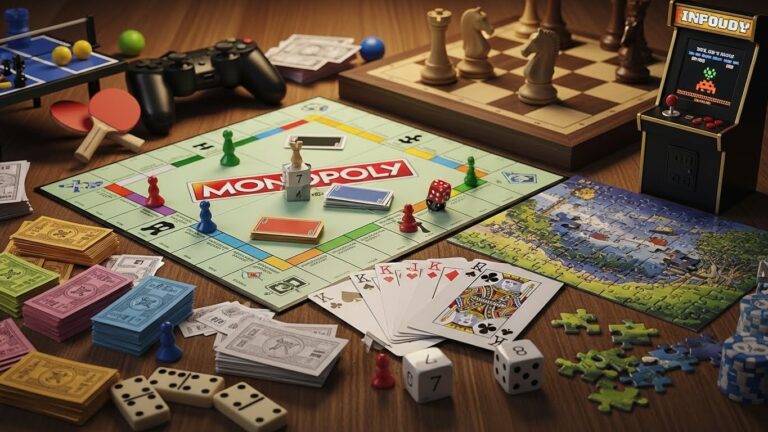

Games have been an intrinsic part of human culture for thousands of years. From ancient board games played by the Egyptians and Greeks to the immersive video games of today, games have served as a form of entertainment, education, and social interaction. Whether they are digital, physical, or social, games have the unique ability to engage, challenge, and entertain individuals across all ages and cultures. In this post, we will explore the diverse world of games, their evolution, their role in modern society, and the impact they have on our lives.
The Evolution of Games: From Ancient Times to Modern Day
Games have been a part of human society since the dawn of civilization. In ancient Egypt, board games like Senet were played by pharaohs, and in ancient Greece, Petteia, a strategy game, was popular among the nobility. These early games were often not just for fun but were also used for socialization, intellectual challenges, and even religious rituals. Over time, games evolved into various forms, some for pure enjoyment and others for educational or skill-building purposes.
In the 20th century, the invention of video games marked a significant shift in the world of gaming. The first commercially successful video game, Pong, was released in 1972, and it paved the way for a multi-billion-dollar industry. As technology progressed, video games became more sophisticated, with the introduction of home consoles, personal computers, and eventually mobile devices. Today, gaming encompasses everything from mobile apps to massively multiplayer online games (MMOs), virtual reality (VR), and esports.
The expansion of digital games has changed how people interact with each other, with online multiplayer games and social media platforms creating global communities of gamers. These platforms allow players to compete, cooperate, and communicate in real-time, forming bonds that transcend geographical and cultural boundaries.
The Different Types of Games
Games can be categorized in many ways, depending on their format, objective, and the skills they require. Here, we will explore some of the most popular types of games in the modern world.
1. Video Games
Video games are perhaps the most prominent form of gaming in the modern era. These games are played on various platforms, including PCs, consoles (PlayStation, Xbox, Nintendo), and mobile devices. Video games come in many genres, such as action, adventure, role-playing games (RPGs), first-person shooters (FPS), puzzle games, and simulation games. The immersive worlds and interactive narratives in these games make them a compelling experience for millions of players.
Popular games like The Legend of Zelda, Fortnite, Call of Duty, and Minecraft have become cultural touchstones, influencing everything from fashion to music to social media trends. The gaming community is also rich with fan-driven content, including mods, fan art, and streaming on platforms like Twitch and YouTube, where gamers can share their experiences and connect with others.
2. Tabletop Games
Tabletop games, including board games and card games, have remained a beloved form of entertainment for families, friends, and competitive players alike. These games often require physical interaction, whether through rolling dice, moving pieces on a board, or playing cards.
Some iconic examples of tabletop games include Monopoly, Scrabble, Chess, and Poker. Recently, there has been a resurgence in the popularity of board games, with modern titles like Catan, Ticket to Ride, and Pandemic offering more intricate mechanics and engaging gameplay experiences. Tabletop games provide a social, face-to-face environment where players can interact, strategize, and create lasting memories.
3. Sports and Physical Games
Sports have been a core part of human culture for centuries, with games like football, basketball, soccer, and tennis being practiced worldwide. While these are traditional forms of games that often require physical activity, they also carry a sense of competition, teamwork, and strategy, which are similar to what you might find in video games or tabletop games.
In addition to traditional sports, there are also competitive physical games like eSports, where individuals or teams compete in video games professionally. Competitive gaming has exploded in popularity, with millions of fans tuning in to watch tournaments like The International for Dota 2 or League of Legends World Championship. These events often feature substantial prize pools, sponsorships, and even broadcasting deals with major networks, solidifying eSports as a legitimate form of entertainment and competition.
4. Puzzle and Brain Games
Puzzle games focus on solving problems and challenges, often requiring logic, critical thinking, and creativity. These games are enjoyed by players of all ages and can range from traditional paper-based puzzles like crosswords and Sudoku to digital brain games such as Lumosity and Candy Crush.
Many puzzle games are designed to stimulate the mind and improve cognitive abilities, such as memory, attention, and problem-solving skills. Puzzle games can be incredibly satisfying to play, as they give players a sense of accomplishment when they successfully solve a challenging problem. Brain training apps are particularly popular among people who want to keep their minds sharp and engaged.
The Psychological Benefits of Playing Games
While games are primarily designed for entertainment, they also provide numerous psychological benefits. Engaging in games, whether digital or physical, can have a profound impact on mental well-being and personal development. Here are a few ways that games can benefit players psychologically:
1. Stress Relief and Relaxation
Games can serve as a form of escapism, allowing players to disconnect from the stresses of everyday life. Whether playing a soothing mobile puzzle game or an immersive RPG, games provide an opportunity for individuals to immerse themselves in different worlds and experience moments of joy and relaxation. For many people, gaming acts as a healthy outlet for stress, helping them unwind after a busy day.
2. Cognitive Skill Development
Many games require players to think critically, solve problems, and develop strategies. Games like chess, strategy games, and puzzles are known to boost cognitive abilities such as memory, attention, and problem-solving. Furthermore, games that require multi-tasking, quick decision-making, or strategic thinking help improve mental flexibility and can enhance a player’s ability to think on their feet.
3. Building Social Connections
Gaming has increasingly become a social activity, with multiplayer online games, social gaming apps, and streaming platforms providing new ways for people to connect. These platforms offer opportunities to form friendships, work in teams, and communicate with individuals who share similar interests. For some, gaming communities serve as a valuable support network and a space to find a sense of belonging.
4. Improved Focus and Attention
Certain games, particularly fast-paced ones, can help improve a player’s ability to focus and maintain attention over extended periods. Video games that require precision and timing, such as action or FPS games, challenge players to stay alert and make split-second decisions. Studies have shown that gaming can lead to improvements in visual attention, reaction times, and decision-making skills.
5. Creativity and Imagination
Many games encourage creativity, whether through building, storytelling, or creating characters. Games like Minecraft allow players to create entire worlds, while The Sims lets them design virtual lives and communities. These types of games can foster a sense of imagination and artistic expression, as well as provide an outlet for personal creativity.
The Dark Side of Gaming: Addiction and Time Management
While the benefits of gaming are numerous, it’s important to acknowledge the potential drawbacks. For some individuals, excessive gaming can lead to addiction, which can have detrimental effects on personal relationships, work, and academic performance. The addictive nature of certain games, especially those with in-app purchases or those designed to keep players playing for extended periods, can cause players to lose track of time and neglect other important aspects of their lives.
To mitigate the risks associated with excessive gaming, it’s essential for players to practice moderation and set time limits. Many gaming platforms now offer built-in features that allow players to monitor their gaming habits and take breaks to prevent burnout.
The Future of Gaming: Trends and Innovations
The world of gaming is constantly evolving, and the future holds exciting possibilities. Several trends are shaping the future of games, from the rise of virtual reality (VR) and augmented reality (AR) to the continued growth of mobile gaming and cloud gaming.
- Virtual and Augmented Reality: VR and AR are set to revolutionize gaming by creating more immersive and interactive experiences. VR headsets are already being used to bring players into fully immersive worlds, and AR allows players to interact with the physical world in novel ways, as seen in games like Pokémon Go.
- Cloud Gaming: The development of cloud gaming services such as Google Stadia and Xbox Cloud Gaming allows players to access high-quality games without the need for powerful hardware. This could democratize access to gaming, making it possible for anyone with an internet connection to enjoy the latest games.
- Artificial Intelligence: AI is transforming the way games are designed, from creating smarter non-playable characters (NPCs) to generating more dynamic and adaptive game environments. AI can also be used to personalize gameplay, offering tailored experiences based on player preferences.
- Esports Growth: As esports continues to gain popularity, the competitive gaming scene will likely expand, with more professional leagues, sponsorships, and live broadcasts. Esports could eventually rival traditional sports in terms of viewership and financial investment.
Conclusion
Games are far more than just entertainment; they are a window into creativity, learning, and socialization. Whether it’s the competitive thrill of video games, the strategy of board games, or the physical activity of sports, games have the power to entertain, challenge, and
About the Author